

STAGING GUIDE
How to use this guide
An open house is not when buyers decide if they like your home. They usually decided that online. The open house is when they decide whether your home feels easy, safe, and worth competing for.
Open house staging is not about decorating. It is about removing friction and guiding attention. If staging is done right, buyers walk through and think, this feels maintained, this feels spacious, this feels bright, this feels like a life I want. If staging is done wrong, buyers walk through and think, this feels tight, this feels like work, or something feels off.
The goal is to make the home photograph well, show well, and feel calm in person.
What this Guide Covers
- Why Stage
- Staging Hierarchy
- Curb Appeal
- Key Areas
- Bedrooms
- Bathrooms
- Basements and Systems
- Outside
- Ambiance
- Decor
- Staging by Market
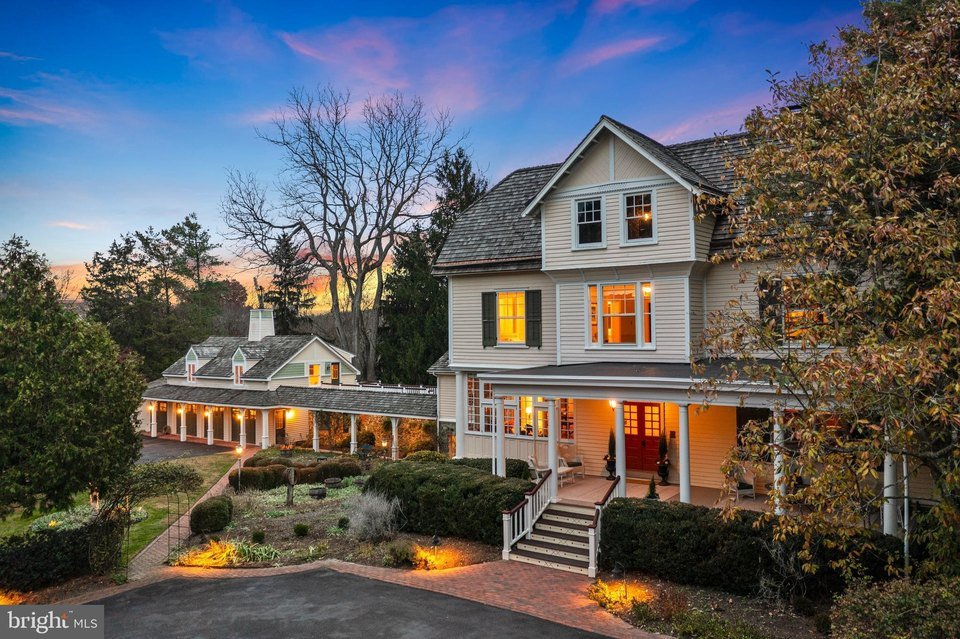
1.) Why Stage
Open house staging has three jobs
- Help buyers understand scale and flow
- Reduce perceived maintenance risk
- Create an emotional image of daily life
2.) Staging Hierarchy
If you only do five things, do these:
- Declutter aggressively
- Clean like a hotel, not like a lived in home
- Brighten every room with consistent lighting
- Create clear function in every space
- Make the entry and kitchen feel excellent
3.) First Impressions
Buyers decide how they feel about the home before they reach the living room.
Curb appeal priorities
- Mow, edge, and tidy beds
- Remove clutter from porch, steps, and driveway
- Power wash if surfaces are dirty
- Fresh mulch if the beds look tired
- Front door area clean, hardware polished, mat simple
Entryway priorities
- Light on, bright bulb
- One simple piece like a console or bench if space allows
- No piles of shoes, coats, backpacks, or mail
- No strong scents or candles
4.) Where Buyers Make Deciss
The Living Room. The Kitchen. The Dining Room.
The goal is to show conversation flow and space.
Living Room
- Furniture pulled slightly away from walls when possible
- Clear walk paths
- Coffee table or side tables that feel proportional
- One focal point, often fireplace or window
- Minimal surfaces, one or two intentional objects
Common Mistake
Too much furniture makes the room feel small. Too little makes it feel cold.
Kitchen
- Counters almost empty
-
- No dish racks, no soaps, no clutter
-
- Sink empty and dry
-
- Trash can hidden
-
- Fridge exterior clean
-
- If you have small appliances, keep only one or two, and make them look intentional
Dining Room
Simple wins
- Table centered and chairs evenly spaced
-
- One simple centerpiece
-
- Lighting on, warm but not dim
-
- If space is tight, a round table often reads better
5.) Bedrooms and Closets
These are the areas of your listing that buyers will use to evaluate their trust in the property
Bedroom staging priorities
• Beds made tight and clean
• Nightstands minimal
• Floors visible
• No laundry visible
• One calm piece of art or nothing, both are fine
Closets
Buyers open closets. If closets are stuffed, buyers assume the home has storage problems. Closets should look 50 to 60 percent full. If they are 90 percent full, it reads as stress.
6.) Bathrooms
Bathrooms are where buyers decide whether the home is cared for.
Bathroom staging rules
• Toilets spotless
• Mirrors streak free
• Fresh towels, but not a stack of them
• Remove nearly everything from counters
• No personal items visible
7.) Basements and Systems
Basement staging priorities
• Dehumidifier running if needed
• No musty smell
• Floors swept, surfaces clean
• Storage organized and off the floor if possible
• Mechanical area accessible and tidy
• If you have sump pump, make it visible and clean, not hidden behind boxes
8.) Outdoor Areas
This is where potential buyers decide if your home fits their envisioned lifestyle.
Outdoor staging priorities:
• Clean patio or deck
• Simple seating arrangement, even small
• Grill area tidy
• Trash hidden
• If yard is big, define zones, such as play area and entertaining area
9.) Ambiance
Scent | Sound | Temperature | Lighting
Scent
Neutral is the goal. Not perfume.
Avoid Strong candles, plug ins, cooking smells, pet smells.
If you need a simple tactic – Air out the home early, clean fabrics, and keep it neutral.
Sound
Silence can feel awkward. Loud music feels manipulative.
Music preference varies, but the best approach is low volume, neutral background if any.
Temperature
Buyers notice temperature immediately.
Keep it comfortable. A home that is too hot or too cold feels poorly maintained.
Lighting
Every light on.
Consistent bulbs.
Brightness sells.
10.) What to Remove, Keep, and Add
Remove
- Family photos and highly personal items if you want broad appeal
- Excess furniture
- Counter clutter
- Pet items
- Anything that blocks windows or walk paths
Keep
- A few warm touches that make the home feel lived in, not staged to death
- Quality furniture that fits the scale
- Clean rugs if floors need warmth
Add
- Fresh towels
- Simple neutral bedding
- A few plants or greenery
- One or two intentional accent pieces
In Practice
The right level of staging depends on your buyer pool. Luxury buyers often prefer a slightly more polished look. Borough buyers can like a bit more character.
11.) Staging By Market
Staging levels and intensity should be influenced by numerous factors. One of these factors, beyond those we have already covered in this guide, is the market in which your listing resides. Staging should be adapted to what buyers in your market are looking for.
Main Line
- Buyers are often comparing across prestige and condition. They respond strongly to light, calm, and quality. If the home is historic, keep character but eliminate clutter.
Chester County
- Buyers value space, function, and outdoor living. Home office setups matter. Finished basements and bonus rooms should be staged clearly.
Bucks County
- Buyers often value charm and town identity. Do not strip the house of personality, just simplify it. Outdoor and curb appeal matter.
South Jersey
- Taxes can make buyers more selective, so the home needs to feel worth the monthly payment. Clean presentation and turnkey feel matter. In walkable towns like Haddonfield, lifestyle cues like coffee, dining, and town proximity can be highlighted subtly.
12.) Checklists
The Morning of the Open House
• Floors vacuumed or swept
• Bathrooms wiped down
• Counters clear
• Beds made
• Lights on
• Temperature set
• Trash out
• Toys, pet items, laundry hidden
• Front door area clean
• Windows and mirrors clean
• Garage door closed and garage tidy if buyers may enter
• Basement and mechanical areas presentable
• Outdoor seating set if weather allows
10 Minutes Before the Open House
- Quick smell check
- Quick noise check
- Quick lighting check
- Quick curb check
Disclaimer
This guide is for general informational purposes only and is not legal advice or real estate advice for your specific situation. Reading this guide does not create an attorney–client relationship or a real estate agency relationship. Laws, regulations, and market conditions vary by location and change over time, so you should consult qualified professionals for advice tailored to your circumstances.