

OPEN HOUSE GUIDE
How to use this guide
Open houses are misunderstood. Sellers often think an open house is a magic event that sells the home. Buyers often think open houses are only for casual browsers. The truth is more nuanced.
In 2026, open houses are best used as a leverage tool. They can help create a sense of activity, compress showings into a short window, and force buyers to compare themselves against other buyers. But open houses are not universally effective. In some markets they drive real offers. In others they are mostly brand exposure and backup demand.
My approach is simple. We do open houses when they increase the probability of a strong offer and improve terms.
What this Guide Covers
- The Utility of Open Houses
- When Open Houses are Most Useful in the Philadelphia Suburbs
- Open House are a tool, not the ball game
- Preparing your Home
- Structuring the Weekend for Maximum Value
- Executing the Open House
- What to expect from Potential Buyers
- How to obtain Offers from Open Houses
- Safety, privacy, and practical concerns for sellers
- What to do the week after the open house
- Buyer tips: how to use open houses strategically
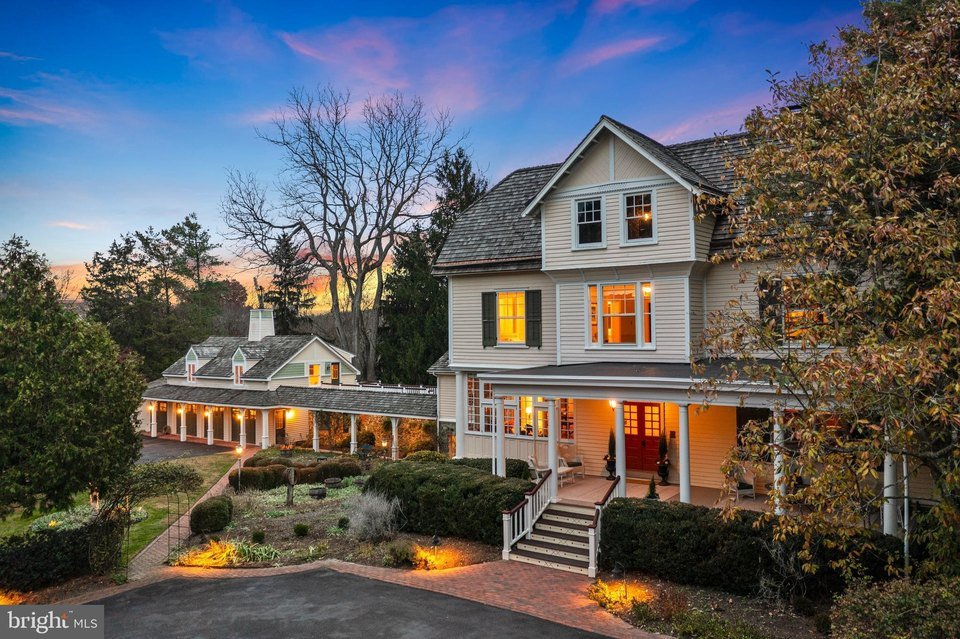
1.) What an Open House is For
An open house is not only about the people who walk through. It is also about the people who hear that other people walked through.
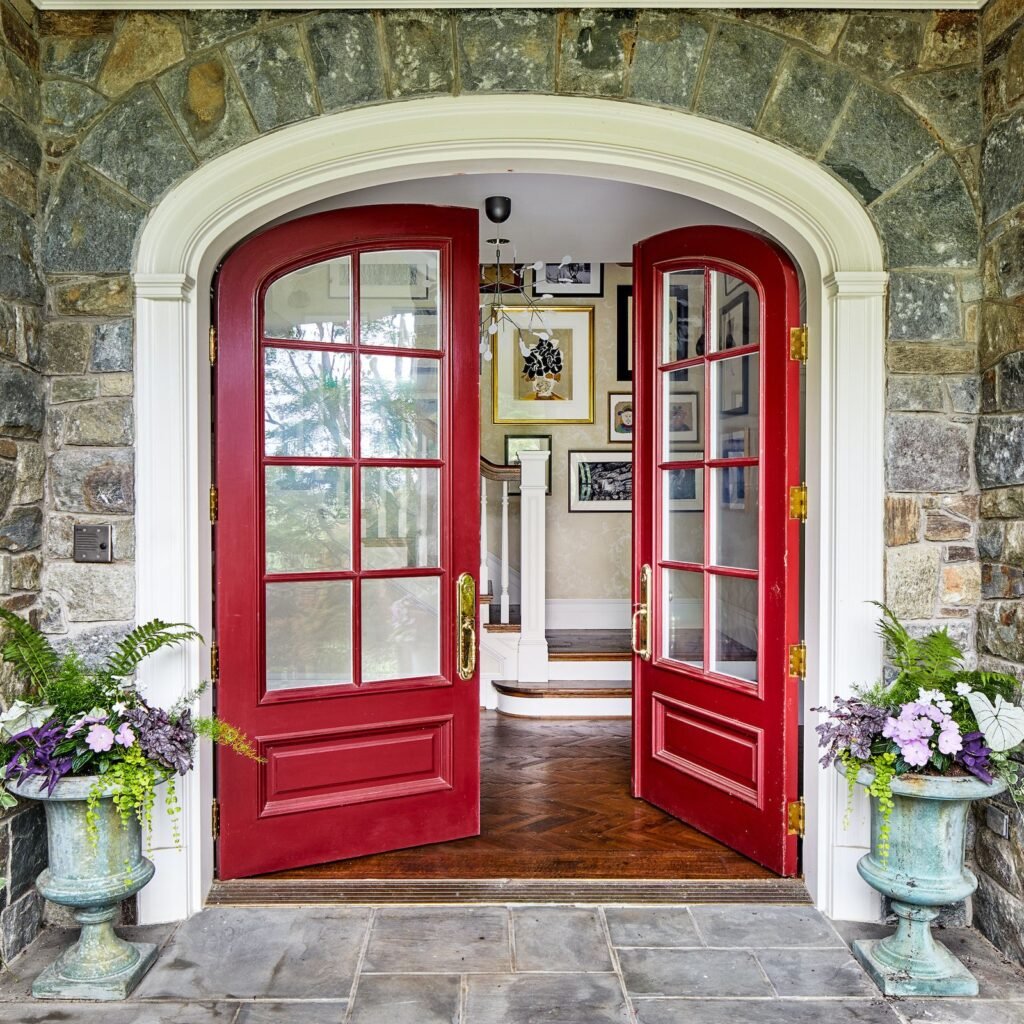
Open House Objectives
- Create concentrated activity early
- Increase perceived demand
- Reduce buyer hesitation by making them feel competition
- Capture additional buyers who may not schedule private tours quickly
- Support the marketing story with visible momentum
2.) When to Host an Open House
Open houses tend to work best in markets where buyers value lifestyle and where there is high weekend touring behavior.
Examples of strong open house environments
- Walkable town centers like West Chester Borough, Phoenixville, Ardmore, Doylestown, and Haddonfield
- Family demand neighborhoods where buyers tour heavily on weekends
- Price bands where buyers are actively competing and inventory is thin
They are often less useful for
- Very high end luxury listings where buyers want private tours and discretion
- Homes with limited parking or difficult access where an open house creates friction
- Homes that are still cluttered or not camera ready, because open house buyers are visual and judgmental
- Listings that are overpriced, because open house traffic without offers creates a negative signal
In Practice
Open houses can also work well when a listing is likely to attract cross shoppers, meaning buyers comparing multiple towns or multiple options in a bracket. Open houses make your home easy to include in their weekend plan.
Additionally, some luxury homes still benefit from open houses, but it depends on the buyer profile. In certain Main Line price bands, open houses can work if the home is turnkey and well positioned. That is situational.
3.) Open Houses are a Tool
Understanding Open Houses
The biggest seller mistake is thinking an open house replaces pricing and prep. It does not.
A good launch sequence is usually
- Professional photos and online listing live
- Strong showing access immediately
- Open house timed to capture peak weekend traffic
- Offer handling plan communicated clearly
Open houses are most effective when the home already looks desirable online. Buyers do not magically change their mind in person if the listing presentation is weak.
4.) Preparing Your Home
The open house prep priorities
• Exterior and entryway are spotless, because that sets the tone
• Light everywhere, bulbs consistent, curtains open
• Smell neutral, not scented like a candle store
• Kitchen and bathrooms look simple and clean
• Floors clean and clutter gone
• Temperature comfortable, especially in winter or summer
• Pets managed and evidence minimized
• Parking plan thought through if the street is tight
In Practice
In older homes, buyers often focus on basements and mechanicals. If those areas look chaotic, it creates fear. Tidy mechanical rooms and clean basement presentation are a simple advantage.
5.) Structuring the Weekend
Step One
Make it easy for buyers to see the home early in the weekend, not only at the end
Step Two
Capture contact information and level of interest without being pushy
Step Three
Follow up quickly to convert interest into second showings and offers
I often recommend one of two structures
One longer open house on Saturday plus strong private showings Friday and Sunday
Or two shorter open houses, one Saturday and one Sunday, when the town is high foot traffic
6.) Running the Open House
What I do consistently
- Greet every group and ask one simple question, what brings you out today
- Give a thirty second overview of the home and the biggest value drivers
- Let them tour without pressure
- Watch what they respond to and what they question
- Answer honestly, because trust converts more than hype
- Ask a closing question at the end, can you see this working for you
7.) Buyer Behavior
Buyers reveal a lot in the first five minutes.
Signals of a serious buyer
- They ask about systems, roof, HVAC, taxes, and school assignment
- They ask about offer process and timing
- They ask about what is included, like appliances
- They walk the home like they are already living in it
Signals of a less serious buyer
- They make comments without asking questions
- They focus only on decor
- They spend very little time and do not look at key areas
8.) Obtaining Offers
Open houses work when three things happen
- The home is priced within the right bracket
- The home presents as low risk and desirable
- The open house creates a sense of competition
Open houses fail when
- The home is overpriced
- The home feels like a project without pricing to match
- Access is confusing or parking is a mess
- The listing does not have a clear story
- 5.Follow up is slow or nonexistent
In Practice
High foot traffic is not the goal. The goal is motivated traffic. Ten strong buyers is better than fifty casual visitors.
9.) Safety, Privacy, Planning
Practical seller precautions
• Remove or lock up valuables
• Secure medications
• Put away small personal items
• Consider removing personal photos if you prefer privacy
• Have a plan for pets
• Make sure doors and windows are secured afterward
10.) What Now?
The week after you host an open house is crucial to capitalize on the potential buyers who (if you followed the previous steps) now have interest in your home.
What I do after
- Follow up with serious visitors quickly
- Encourage second showings for motivated buyers
- Collect feedback patterns and diagnose issues
- If we have strong interest, create an organized offer review plan
- If interest is weaker than expected, adjust quickly, not weeks later
11.) Buyer Tips
How to use open houses as buyer. Having a plan can help you make confident decisions and avoid regret in the future.
Here is what I recommend:
• Use open houses to compare neighborhoods quickly
• Use them to see how competitive a home might be by watching traffic and vibe
• Use them to ask about offer timelines and seller priorities
• If you like a home, schedule a private second visit quickly
Disclaimer
This guide is for general informational purposes only and is not legal advice or real estate advice for your specific situation. Reading this guide does not create an attorney–client relationship or a real estate agency relationship. Laws, regulations, and market conditions vary by location and change over time, so you should consult qualified professionals for advice tailored to your circumstances.