

CHESTER COUNTY
RELOCATION GUIDE
Living in Chester County
Relocating to Chester County, Pennsylvania is not just about choosing a place on a map. It is about choosing a lifestyle. Few suburban markets in the Philadelphia region offer as much variety within one county: walkable boroughs like West Chester, Phoenixville, Kennett Square, Malvern, and Downingtown; convenience-driven communities around Exton and the Route 202 corridor; Main Line-adjacent pockets near Paoli, Berwyn, and Malvern; and quiet countryside settings in places like Willistown, Chadds Ford, Birmingham, Pennsbury, and the Brandywine Valley.
That variety is what makes Chester County so attractive — and also what makes it important to understand before you buy. Two homes may be only fifteen minutes apart, but they can offer completely different school assignments, commute patterns, tax profiles, lot sizes, neighborhood feel, and resale dynamics. For buyers moving from Philadelphia, New York, Washington, D.C., New Jersey, or another part of the country, the biggest mistake is treating Chester County like one single market.
What this Guide Covers
- Overview
- Transportation
- Towns
- Townships
- Schools, Taxes, and Payments
- Things to Do
- Things to Do Outside
- FAQs
1.) Overview
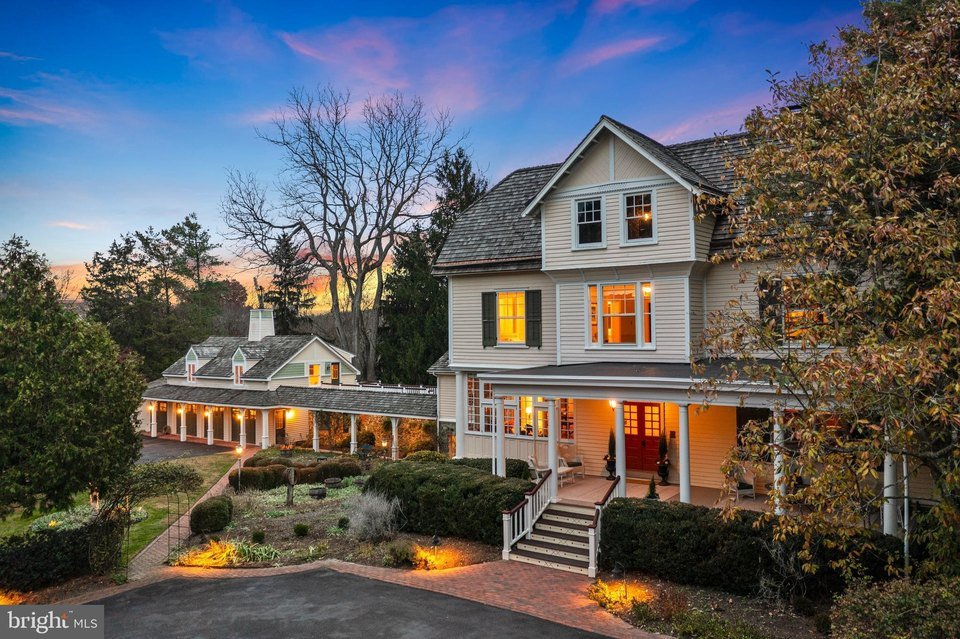
This guide is designed to help you think more clearly about where you actually want to live.
We will look at the major towns and townships, commuting routes, school and tax considerations, parks and trails, restaurants, weekend lifestyle, and the tradeoffs buyers should understand before narrowing their search.

The goal is not to tell you there is one “best” place to live in Chester County.
The better question is: which Chester County community fits the way you want your daily life to feel?
Whether you are looking for a walkable downtown, a strong school district, more space, a shorter commute, a quieter setting, or a better long-term fit for your family, Chester County offers a wide range of options.
The key is knowing how to compare them the right way. Chester County is one of the most “choose your lifestyle” counties in the Philadelphia suburbs.
You can live in a true walkable borough (West Chester, Phoenixville, Kennett Square), a convenience hub (Exton/West Whiteland), a classic Main Line-adjacent pocket (Malvern/Paoli-area), or acreage and equestrian countryside (Willistown, Birmingham, Newlin, Pennsbury).
The real differentiator is not “Chester County vs not” — it’s which sub-market matches your routine.
2.) Transportation
Transportation is one of the most important factors to understand before relocating to Chester County. The county offers several strong commuting corridors, but the right location depends heavily on where you work, how often you commute, and whether you prefer train access, highway convenience, or a quieter residential setting farther from the main routes.
For buyers relocating from New York, Washington, D.C., Philadelphia, or New Jersey, Chester County can look deceptively simple on a map. In reality, a move from one township to another can change your daily routine significantly. A home near a train station in Malvern, Exton, or Downingtown will feel very different from a larger property in Chadds Ford, Willistown, or East Marlborough. The first may prioritize commute efficiency. The second may offer more space, privacy, and scenery, but require more driving.
The major rail spine in Chester County is SEPTA’s Paoli/Thorndale Regional Rail Line. This line serves key Main Line and Chester County communities including Paoli, Malvern, Exton, Whitford, Downingtown, and Thorndale. For buyers commuting into Center City Philadelphia, University City, or other rail-accessible employment centers, proximity to this line can be a major lifestyle advantage. Train access is especially valuable for hybrid workers who go into the city two or three days per week and want to avoid driving on I-76 or other congested routes.
That said, not every Chester County buyer needs to prioritize rail. Many residents commute by car to King of Prussia, Great Valley, West Chester, Wilmington, the Main Line, or suburban corporate campuses. In those cases, highway access may matter more than train proximity. Route 202 is one of the most important commuting corridors in eastern Chester County, connecting West Chester, Malvern, Great Valley, King of Prussia, and the broader Main Line area. For many professionals, access to Route 202 is a key reason they focus on places like Malvern, Paoli, Exton, West Chester, or nearby townships.
Route 30, also known as Lancaster Avenue in many areas, is another major east-west corridor. It matters for buyers considering the Malvern, Exton, Downingtown, and Coatesville direction, as well as those who want access back toward the Main Line. Route 30 can be extremely useful, but traffic lights, commercial development, and local congestion can make commute times vary. Buyers should think not just about mileage, but also about the exact roads they will use every day.
The Pennsylvania Turnpike is also a major factor, particularly for buyers in the Exton, Downingtown, Uwchlan, and West Whiteland areas. Turnpike access can be helpful for commuting toward King of Prussia, Plymouth Meeting, Fort Washington, or farther west. For buyers who travel regionally for work, being near the Turnpike can be more valuable than being close to a borough center.
West Chester is slightly different. It is one of the county’s strongest lifestyle markets, but it does not have the same direct regional rail access as Malvern, Exton, or Downingtown. Buyers who prioritize West Chester often do so because of the borough lifestyle, restaurants, events, and community energy. The tradeoff is that commuting is more car-dependent, and the exact location relative to Route 202, Route 3, Route 322, or local roads can matter quite a bit.
For buyers looking in Kennett Square, Chadds Ford, Unionville, or the Brandywine Valley, the transportation equation changes again. These areas can offer charm, countryside, larger lots, and access to Wilmington or Delaware job centers, but they may be less convenient for a daily Philadelphia commute. They can be excellent for remote workers, hybrid professionals, or buyers who value lifestyle and space more than daily commuter efficiency.
Relocation Tip
Before choosing a Chester County town, map your actual weekday routine. Look at your commute at the specific times you expect to travel. Test the drive to work, the train station, daycare, school, grocery stores, sports practices, and weekend destinations. In Chester County, the best home is not just the one with the right price and finishes. It is the one that makes your daily life work.
For many relocators, the winning strategy is to build the search around commute frequency. If you commute five days per week, station proximity and highway access should be front and center. If you commute two days per week, you can widen your search to include more lifestyle-driven towns and townships. If you work remotely, Chester County opens up dramatically, and areas with more space, privacy, trails, and small-town character may become much more attractive.
3.) Towns
Chester County is not a one-size-fits-all relocation market. The towns here have very different personalities, and understanding those differences is one of the most important parts of choosing where to live.
West Chester feels energetic and walkable, with restaurants, events, and a true downtown rhythm. Phoenixville has a lively Bridge Street scene with breweries, trails, and weekend buzz. Kennett Square offers charm, destination dining, and the cultural pull of Longwood Gardens. Malvern is quieter and more polished, with strong commuter convenience. Downingtown blends community feel, rail access, and practical value. Exton is built around convenience, shopping, highways, and everyday efficiency. Chadds Ford and the Brandywine Valley offer scenery, privacy, and a more countryside-oriented lifestyle.
The point is not to find the “best” Chester County town. The point is to find the town that matches your actual routine.
West Chester
West Chester is one of the strongest walkable town centers in the Philadelphia suburbs and often becomes the benchmark for buyers comparing Chester County boroughs. It offers restaurants, coffee shops, boutiques, nightlife, seasonal events, and a true downtown rhythm that feels active without feeling urban. Buyers are drawn to West Chester because it gives them neighborhood life plus a real place to go on weekends. The surrounding townships, especially East Goshen and West Goshen, offer a more traditional suburban feel while still keeping the borough close.
For relocators, West Chester is ideal if you want energy, charm, and strong long-term demand.
Phoenixville
Phoenixville has become one of Chester County’s most recognizable lifestyle markets. Bridge Street is the anchor, with restaurants, breweries, coffee shops, events, and a lively weekend atmosphere. It is especially appealing to buyers who want walkability, nightlife, and a less formal feel than some of the Main Line-adjacent markets. Phoenixville also benefits from access to trails and the Schuylkill River corridor, which gives it an outdoor lifestyle component.
For relocators, Phoenixville is often a strong fit if you want a social, active town with character, but still want suburban access and more attainable options than some premium Main Line markets.
Kennett Square
Kennett Square offers one of the most charming small-town experiences in Chester County. The borough has a strong restaurant scene, boutique shops, community events, and a distinctive identity shaped in part by its proximity to Longwood Gardens and the Brandywine Valley. Buyers often choose Kennett because it feels polished but not overly formal, with a blend of historic charm, destination dining, and access to surrounding countryside. The nearby townships offer more space, larger lots, and a quieter lifestyle.
For relocators, Kennett Square is a strong choice if you want character, culture, and a weekend routine built around food, gardens, and town life.
Malvern
Malvern is a smaller borough with an outsized appeal because of its location, train access, and calm, polished feel. It sits at the intersection of Main Line influence and Chester County lifestyle, making it attractive for buyers who want a quieter town without losing access to restaurants, rail, schools, and major commuter routes. Malvern Borough itself offers a compact walkable center, while the surrounding areas provide a range of housing options from townhomes to larger single-family homes.
For relocators, Malvern works especially well if you want convenience, a strong residential feel, and access to both the Main Line and deeper Chester County.
Downingtown
Downingtown is a practical and increasingly popular Chester County market with a strong local identity. Buyers are drawn to its rail access, brewery culture, restaurants, established neighborhoods, and relative value compared with some eastern Chester County and Main Line-adjacent areas. The borough has a more grounded, community-oriented feel, while the surrounding townships offer a wide range of housing stock. Downingtown can be especially attractive for buyers who want a balance of commute access, amenities, schools, and affordability.
For relocators, it is worth studying closely if you want Chester County lifestyle without paying the premium attached to the most expensive eastern markets.
Exton
Exton is the convenience hub of Chester County. It is not usually chosen for a classic walkable borough feel, but for access: shopping, restaurants, regional rail, Route 202, Route 30, the Turnpike, and daily errands that are easy to manage. Buyers who prioritize function often gravitate toward Exton and West Whiteland because the location makes life simpler. Housing options vary from townhomes and condos to established single-family neighborhoods.
For relocators, Exton is a strong fit if your priority is convenience, commuting, and access to everything. The tradeoff is that traffic, road noise, and micro-location matter more here than in quieter township settings.
Chadds Ford
Chadds Ford is one of Chester County’s most scenic and culturally distinctive areas. It is closely tied to the Brandywine Valley, with rolling roads, historic properties, art institutions, preserved land, and a quieter countryside feel. Buyers often come here for privacy, character, larger lots, and a more refined rural-suburban lifestyle. It can be especially appealing to luxury buyers who want space and beauty without feeling disconnected from West Chester, Kennett Square, Wilmington, or the Main Line.
For relocators, Chadds Ford is ideal if you want scenery, privacy, and cultural depth, but you should evaluate commute, school assignment, and property-specific maintenance carefully.
Paoli
Paoli is one of the most practical western Main Line and eastern Chester County locations for buyers who care about transportation. The train station, Route 30, Route 202 access, and proximity to Malvern, Berwyn, Wayne, and King of Prussia make it highly functional. Paoli does not always have the same polished village feel as Wayne or Malvern, but it offers excellent access and strong surrounding residential pockets. Buyers often consider Paoli when they want Main Line convenience with somewhat broader housing options.
For relocators, Paoli is best understood as a commute-smart location where school district, neighborhood, and exact street can matter significantly.
Berwyn
Berwyn is a highly desirable western Main Line community with strong Chester County crossover appeal. It offers access to Tredyffrin-Easttown, the Paoli/Thorndale rail line, Route 30, and nearby Wayne, Devon, and Paoli. Buyers are often drawn to Berwyn for its school-driven demand, established neighborhoods, and quieter village feel. It is less commercially intense than Ardmore or Wayne but still very connected.
For relocators, Berwyn can be a compelling choice if you want Main Line quality, strong resale confidence, and access to both Philadelphia and suburban employment centers. Inventory can be competitive, so buyers need to understand pricing and move decisively.
Devon
Devon is a classic Main Line-adjacent Chester County market with a strong residential feel, excellent location, and long-term demand. It is known for beautiful neighborhoods, mature trees, proximity to the Devon Horse Show grounds, and access to both train and highway corridors. Devon appeals to buyers who want prestige and convenience without necessarily needing a busy downtown immediately outside their door. It is often compared with Berwyn, Wayne, and Paoli depending on school assignment, price point, and commute needs.
For relocators, Devon is a strong fit if you want established Main Line character, strong neighborhood quality, and access to regional amenities.
Wayne
Wayne is one of the strongest town-center markets in the western suburbs and a key comparison point for buyers evaluating Chester County and the Main Line. It offers restaurants, shops, coffee, walkability, rail access, and beautiful surrounding neighborhoods. Wayne feels polished, active, and complete, which is why it attracts buyers from Philadelphia, New York, Washington, D.C., and other higher-cost markets. The important caveat is that a Wayne mailing address can cross municipal and school boundaries, so address-level analysis matters.
For relocators, Wayne is ideal if you want a premium walkable lifestyle with strong resale confidence and a true sense of place.
Chester Springs
Chester Springs is a broad, highly desirable area for buyers who want space, newer homes in some pockets, scenic roads, and a quieter Chester County lifestyle. It does not function like a walkable borough, but that is part of the appeal. Buyers often consider Chester Springs when they want more land, privacy, strong schools, and access to Downingtown, Exton, Phoenixville, and the Route 100/Route 113 corridors. Housing can range from historic properties to luxury homes and planned communities.
For relocators, Chester Springs works best if you value space and quiet over walkability and are comfortable driving for most daily needs.
Glenmoore
Glenmoore offers a quieter, more rural-suburban version of Chester County living. Buyers are often attracted to its rolling roads, larger lots, preserved land, and more private residential feel. It can be a strong fit for people who want breathing room but still need access to Downingtown, Exton, Chester Springs, and the broader Chester County job and school network. Glenmoore is not typically a “walk to dinner” market; it is more about space, setting, and lifestyle pace.
For relocators, Glenmoore should be evaluated through commute tolerance, school assignment, property maintenance, and whether you truly want a more spread-out daily routine.
Coatesville
Coatesville is a different profile from the premium eastern Chester County and Main Line-adjacent markets, but it is important to understand because it offers a more value-oriented entry point into the county. As Chester County’s only city by classification, Coatesville has a distinct identity, ongoing redevelopment conversations, historic housing stock, and neighborhood-by-neighborhood variation. Buyers should evaluate it carefully rather than making broad assumptions, because location, condition, block quality, and future plans can matter significantly.
For relocators, Coatesville may make sense if affordability, investment potential, or access to western Chester County is a priority, but due diligence is especially important here.
4.) Townships
One of the first things relocators need to understand about Chester County is that the “town” name you hear in conversation is not always the full real estate story. In many cases, the township matters just as much — and sometimes more — than the borough or mailing address.
Chester County is made up of boroughs, townships, and one city, and each plays a different role in how people live day to day. Boroughs like West Chester, Phoenixville, Malvern, Downingtown, and Kennett Square often provide the walkable town-center lifestyle: restaurants, events, coffee shops, sidewalks, and a stronger “downtown” feel. Townships, by contrast, are where many of the neighborhoods, subdivisions, larger lots, cul-de-sacs, country roads, and estate properties are located.
For relocators, this distinction is critical. A “West Chester” mailing address might place you in West Goshen, East Goshen, Westtown, or Thornbury. A “Malvern” address might mean Malvern Borough, Willistown, East Whiteland, Charlestown, or Tredyffrin. Those differences can affect school assignment, taxes, commute patterns, lot size, zoning, resale value, and the overall feel of daily life.
The best way to search Chester County is not simply by town name. It is to understand the township behind the address, verify the school district, study the commute, and decide whether you want walkability, convenience, privacy, acreage, or a traditional neighborhood setting.
In Chester County, the township often tells you how the home actually lives.
Tredyffrin Township
Tredyffrin is one of the strongest “Main Line-adjacent” township markets in Chester County, especially for buyers prioritizing schools, commute access, and long-term resale confidence. It includes areas tied to Paoli, Berwyn, Chesterbrook, Wayne, and Devon, so the lifestyle can vary from town-center access to quieter residential neighborhoods. Relocators like Tredyffrin because it offers strong regional connectivity: Route 202, Route 30, the Paoli/Thorndale rail line, and King of Prussia access all matter here. The key is micro-location. A Tredyffrin address can feel walkable, suburban, corporate-adjacent, or tucked away depending on the exact pocket.
Easttown Township
Easttown is one of Chester County’s most desirable residential townships, closely associated with Berwyn and Devon and often discussed alongside Tredyffrin because of the Tredyffrin-Easttown School District. For relocators, Easttown usually appeals to buyers who want a premium suburban setting, strong school-driven demand, mature neighborhoods, and access to the Main Line without necessarily being in Lower Merion or Radnor. The township has a polished, established feel, with convenience to Route 30, Route 202, train stations, restaurants, and nearby Main Line amenities. Inventory can be competitive, and buyers should be prepared for older homes, renovation considerations, and strong demand for well-located properties.
Willistown Township
Willistown is one of the best Chester County townships for buyers who want a quieter, more pastoral lifestyle while still staying connected to Malvern, Paoli, Newtown Square, and the Main Line. It has a more spacious, estate-like feel in many pockets, with preserved land, equestrian character, larger lots, and mature residential settings. Relocators who want privacy, scenery, and a refined countryside lifestyle often study Willistown closely. The tradeoff is that it is less about walkability and more about space, setting, and commute tolerance. Buyers should pay close attention to lot maintenance, septic or well possibilities, and property-specific condition.
East Whiteland Township
East Whiteland is a practical, highly connected township that works well for relocators who want access to Malvern, Route 202, the Pennsylvania Turnpike, Great Valley, and major employment centers. It has a strong “convenience plus commute” profile rather than a purely walkable-town identity. Buyers will find a mix of established neighborhoods, townhomes, corporate-adjacent areas, and higher-end residential pockets. East Whiteland can be especially attractive for hybrid workers or buyers commuting to King of Prussia, Great Valley, West Chester, or the Main Line. The main thing to evaluate is micro-location: road noise, highway access, retail proximity, and neighborhood feel can vary quickly.
West Whiteland Township
West Whiteland is one of Chester County’s core convenience hubs, largely tied to Exton and the Route 100/Route 30/Route 202 orbit. Relocators often like it because daily life is easy: shopping, restaurants, gyms, train access, major roads, and services are all close by. It is not the most “quaint borough” lifestyle in the county, but it is one of the most functional. Housing ranges from townhomes and condos to established single-family neighborhoods and higher-end pockets. Buyers should think carefully about lifestyle tradeoffs: West Whiteland can be incredibly convenient, but traffic patterns, commercial proximity, and street-level setting matter a lot.
East Goshen Township
East Goshen is one of the classic West Chester-area residential townships. It appeals to relocators who want proximity to West Chester Borough without necessarily living in the borough itself. The township offers established neighborhoods, parks, community amenities, and strong access to daily conveniences. For buyers who like West Chester’s restaurants, events, and downtown energy but prefer a more traditional suburban setting, East Goshen is often a natural fit. The lifestyle is more neighborhood-oriented than walkable-downtown, though certain pockets provide easy access to West Chester, Malvern, or Paoli. Buyers should compare school assignment, taxes, traffic routes, and neighborhood age carefully.
West Goshen Township
West Goshen is a highly practical West Chester-area township with strong access to the borough, Route 202, shopping, schools, parks, and major employment corridors. For relocators, West Goshen often works because it offers a balance of convenience and residential stability. It can be a good option for buyers who want to be close to West Chester’s downtown lifestyle but prefer more parking, more traditional neighborhoods, or easier access to commuter roads. Housing stock varies, so buyers should compare neighborhood condition, lot size, road proximity, and renovation history. The township is especially relevant for people who want West Chester access without full borough living.
Uwchlan Township
Uwchlan sits in the Exton/Downingtown orbit and is often attractive to buyers who want convenience, schools, neighborhood subdivisions, and access to major routes. It has a more modern suburban feel than some of Chester County’s older boroughs and estate areas. Relocators often consider Uwchlan when they want practical daily life: shopping, restaurants, corporate access, parks, and commuting routes are all manageable. It can be a strong fit for families who want established subdivisions and a highly functional routine. The tradeoff is that it is generally less about historic charm or walkable downtown living and more about convenience, neighborhood quality, and access.
Kennett Township
Kennett Township is one of the key lifestyle markets in the Kennett Square orbit. Relocators are often drawn to it because it offers access to Kennett Square’s dining, charm, and events while providing more residential variety outside the borough. The township can feel scenic, established, and connected to the broader Brandywine Valley lifestyle. Buyers may find single-family neighborhoods, larger lots, and more private settings depending on the location. It works especially well for people who like Kennett Square but want more space or a less borough-centered routine. Buyers should verify school assignment, commute routes, property systems, and proximity to commercial or agricultural uses.
East Marlborough Township
East Marlborough is a highly attractive township for buyers who want the Kennett Square/Unionville lifestyle: scenic roads, preserved land, equestrian influence, larger properties, and access to one of Chester County’s most distinctive cultural areas. Longwood Gardens and Kennett Square give the broader area strong destination appeal, while East Marlborough often provides a more spacious and refined residential setting. Relocators who want privacy, countryside character, and strong school-driven demand often study this township closely. The tradeoff is that properties can be more individual and less cookie-cutter, so valuation, maintenance, septic/well considerations, and commute realities should be reviewed carefully before making an offer.
New Garden Township
New Garden is a practical and increasingly relevant Kennett-area township for relocators who want access to Kennett Square, southern Chester County, Delaware, and the Route 1 corridor. It can offer more value and variety than some of the more premium Brandywine Valley pockets, while still giving buyers access to Kennett’s restaurants, events, and small-town identity. Housing stock varies from established neighborhoods to more rural or semi-rural settings, so micro-location matters. Buyers considering New Garden should pay attention to commute patterns, school assignment, airport proximity in certain areas, property systems, and road access. It can be a smart fit for buyers prioritizing function and value.
Schuylkill Township
Schuylkill Township sits near Phoenixville and offers a strong mix of convenience, neighborhood living, and access to one of Chester County’s most energetic boroughs. For relocators who like Phoenixville’s Bridge Street, restaurants, nightlife, and trail access but want a more suburban or residential setting, Schuylkill can be a compelling option. It also provides access to Route 23, Valley Forge, King of Prussia, and the broader 422 corridor. Housing can vary from established neighborhoods to more private properties. The key for buyers is evaluating proximity to Phoenixville, commute routes, traffic patterns, and whether they want borough walkability or a quieter township lifestyle nearby.
East Pikeland Township
East Pikeland is another important Phoenixville-area township for buyers who want access to the borough lifestyle while keeping a more residential, suburban feel. It can appeal to relocators who like the energy of Phoenixville but want more neighborhood space, easier parking, or a quieter daily routine. The township offers access to parks, local roads, and regional commuting routes, including connections toward Route 422, King of Prussia, and Chester Springs. It is especially worth considering for buyers who want the Phoenixville orbit without being directly downtown. As with much of Chester County, street-level setting, school assignment, traffic, and property condition should drive the final decision.
West Vincent Township
West Vincent is a beautiful, more rural-feeling township that appeals to buyers looking for space, scenery, privacy, and a quieter Chester County lifestyle. It is closely tied to the Chester Springs area and often attracts buyers who want larger lots, custom homes, preserved land, and a more pastoral setting. This is not typically a walkability play. It is a lifestyle choice for buyers who prioritize land, views, architecture, and calm over town-center convenience. Relocators should be realistic about commute times, snow/road maintenance, septic and well systems, and property upkeep. For the right buyer, West Vincent can feel like a retreat.
East Brandywine Township
East Brandywine is a strong fit for buyers who want the Downingtown/Brandywine area lifestyle with a mix of neighborhoods, space, and access to Chester County conveniences. It often appeals to families looking for suburban comfort, larger homes, and a less dense feel than the Exton or West Chester corridors. The township provides access to Downingtown, Route 322, Route 30, and broader western Chester County amenities. Buyers may find move-up neighborhoods, newer homes, and quieter pockets with more land. The main tradeoff is commute. For hybrid workers or buyers prioritizing space and community over walkability, East Brandywine can be very compelling.
5.) Schools, Taxes, & Monthly Payments
For many buyers relocating to Chester County, the home search starts with towns, commute, and lifestyle — but the real monthly decision usually comes down to schools, taxes, and payment. Two homes can look similar online, sit within the same general area, and even have similar purchase prices, but the actual ownership cost can be meaningfully different once taxes, school district, insurance, and condition are factored in.
Schools are one of the strongest drivers of demand in Chester County. Buyers often hear district names before they fully understand the geography: Tredyffrin-Easttown, Great Valley, West Chester Area, Downingtown Area, Unionville-Chadds Ford, Kennett Consolidated, Phoenixville Area, Owen J. Roberts, Coatesville Area, and others. Each district has its own reputation, boundaries, housing stock, and price behavior. The important practical point is that school assignment is address-specific. You should never assume a home’s school district based only on the town name, mailing address, or what the listing headline suggests.
That matters because Chester County town names can be broader than buyers expect. A “Malvern” address, for example, may not always mean the same school district or township. The same is true around West Chester, Downingtown, Phoenixville, Kennett Square, and the Main Line-adjacent parts of the county. For relocators, this is one of the first details to verify before getting emotionally attached to a property.
Taxes are the second major piece. Chester County property taxes are driven by a combination of county, municipal, and school taxes, and school taxes are usually the largest component. That means the same purchase price can produce different monthly payments depending on the municipality and school district. A buyer comparing homes in West Chester, Malvern, Downingtown, Kennett Square, Phoenixville, and Chadds Ford should not only compare list price. They should compare the full monthly payment.
The better way to evaluate affordability is:
principal + interest + property taxes + homeowners insurance + HOA fees, if applicable.
This is especially important in a higher-rate environment. A home that is $25,000 or $50,000 cheaper is not always the better monthly decision if the taxes, HOA fees, maintenance risk, or commute costs are materially higher. On the other hand, a more expensive home in a lower-tax pocket or with fewer near-term repair needs may sometimes be more manageable than it first appears.
Chester County also has a wide range of housing stock, from older borough homes to newer subdivisions, townhomes, luxury estates, and rural properties with wells, septic systems, and larger acreage. Monthly payment should therefore be evaluated alongside condition risk. Roof age, HVAC age, stucco, drainage, septic, well, windows, and deferred maintenance can all affect the real cost of ownership.
The smartest Chester County buyers do not shop by price alone. They evaluate each home through four lenses: school assignment, tax profile, monthly payment, and long-term resale confidence. When those pieces line up with the buyer’s lifestyle, the decision becomes much clearer.
Market Tip
Older homes are part of Chester County’s charm, but they can also come with older roofs, older systems, knob-and-tube concerns, stucco issues, slate roofs, stone foundations, drainage questions, sewer lateral issues, and renovation complexity. A beautiful house in the right school district can still be the wrong financial decision if the condition risk is not properly understood.
6.) Things To Do & Places To Eat
Chester County is one of the unique counties in the Philadelphia suburbs because every town has a slightly different rhythm. If you want a classic downtown Saturday, start in West Chester. It has one of the strongest walkable borough experiences in the region, with historic streets, boutiques, restaurants, bars, coffee shops, and seasonal events. The Chester County Conference & Visitors Bureau describes West Chester as mixing historic charm with “city-worthy nightlife and dining,” which is exactly why it feels more energetic than a typical suburb.
For a different kind of energy, Phoenixville is one of the county’s best night-out towns. Bridge Street is the anchor, with breweries, restaurants, casual bars, and a steady weekend crowd. It works well for date nights, group dinners, and people who want a little more nightlife without going into Philadelphia. Kennett Square has a more charming, destination feel. It is quieter than West Chester or Phoenixville, but its restaurant scene, small-town streets, and proximity to Longwood Gardens make it one of the county’s strongest lifestyle pockets. Visit Philly highlights Chester County for gardens, history, small towns, and attractions like Longwood Gardens and Kennett Square.
Food is a major part of the Chester County experience. In West Chester, popular options include Limoncello, The Couch Tomato, Four Dogs Tavern, and High Street Caffe. In Kennett Square, buyers and visitors often talk about Portabello’s, 1906 at Longwood Gardens, La Verona, and Talula’s Table. Phoenixville brings a more casual, lively food-and-drink scene with restaurants, breweries, pubs, cafés, Italian spots, Mexican food, and specialty food options listed throughout the Brandywine Valley dining guide.
For things to do, Chester County’s strength is variety. You can do a garden day at Longwood, a museum afternoon at the Brandywine Museum of Art, a walk around West Chester, a brewery night in Downingtown or Phoenixville, or a quieter countryside drive through Chadds Ford and the Brandywine Valley. The county tourism site emphasizes vibrant downtowns, local shops, restaurants, small-town charm, gardens, history, arts, and countryside escapes.
The nightlife is not “club” nightlife. It is suburban nightlife: dinner, drinks, breweries, patios, live music, trivia, and walkable downtown energy. West Chester is the most traditional night-out borough. Phoenixville may be the best brewery/bar crawl environment. Kennett Square is better for a slower, more polished date night. Downingtown is strong for breweries and casual evenings. Malvern is quieter, but works well for dinner and a low-key night.
That is the real appeal: Chester County gives you options. You can have lively, walkable, polished, outdoorsy, historic, or quiet — often within a 20-minute drive.
Search Tip
If you say you want walkability, define what that actually means. Is it walking to coffee? Walking to dinner? Walking to the train? Walking with a stroller? Walking to parks? The right town changes depending on the answer.
7.) Parks, Trails, & Outdoor Life
Is Chester County one market, or does it vary by town?
Chester County is absolutely not one market. It is a collection of very different micro-markets. West Chester, Phoenixville, Kennett Square, Malvern, Exton, Downingtown, Chadds Ford, and the Paoli corridor all offer different lifestyles, commute patterns, school assignments, price points, and housing stock. Some buyers want walkability and restaurants. Others want acreage, privacy, or quick highway access. The right move is not simply “buy in Chester County.” The right move is matching your daily routine to the specific town, township, and neighborhood.
12.) Frequently Asked Questions
Is Chester County one market, or does it vary by town?
Chester County is absolutely not one market. It is a collection of very different micro-markets. West Chester, Phoenixville, Kennett Square, Malvern, Exton, Downingtown, Chadds Ford, and the Paoli corridor all offer different lifestyles, commute patterns, school assignments, price points, and housing stock. Some buyers want walkability and restaurants. Others want acreage, privacy, or quick highway access. The right move is not simply “buy in Chester County.” The right move is matching your daily routine to the specific town, township, and neighborhood.
Which Chester County towns are best for walkability?
West Chester, Phoenixville, Kennett Square, Malvern, and Downingtown are usually the first places buyers study if walkability matters. West Chester has the strongest downtown energy, with restaurants, bars, events, and a true borough feel. Phoenixville is known for Bridge Street, breweries, and nightlife. Kennett Square offers charm, dining, and Longwood Gardens nearby. Malvern is smaller and calmer but still walkable. Downingtown has a practical borough feel with breweries, restaurants, and rail access. The best choice depends on whether you want energy, charm, convenience, or quiet.
What is the biggest mistake relocators make when moving to Chester County?
The biggest mistake is shopping by town name without understanding the exact street, school assignment, commute, and municipality. A “West Chester” address may not mean West Chester Borough. A “Malvern” address could mean several different townships or school districts. Buyers also underestimate traffic patterns, road noise, taxes, and how different weekday life can feel compared with a weekend visit. Relocators should evaluate each home through location, livability, school assignment, commute, taxes, and condition risk before getting emotionally attached to the house.
What Chester County areas are best for commuting?
For commuting, the Paoli/Thorndale rail corridor is one of the most important anchors, especially around Malvern, Exton, Downingtown, Paoli, and nearby areas. Route 202 matters for buyers commuting toward King of Prussia, West Chester, Great Valley, or the Main Line. Exton and West Whiteland are strong convenience hubs because of rail, retail, and highway access. If you only commute two or three days per week, you can widen your search. If you commute daily, station access, highway ramps, and traffic patterns should guide your shortlist.
What Chester County towns are best for families?
Family buyers often look closely at West Chester, Malvern, Exton, Downingtown, Phoenixville, Kennett Square, Chester Springs, and the Tredyffrin/Easttown or Great Valley areas, depending on budget and commute. But “best for families” depends on the family. Some want walkable downtowns and parks. Others want larger lots, cul-de-sacs, newer subdivisions, or school-driven resale confidence. The key is verifying the exact school assignment and then asking whether the neighborhood fits your daily life: drop-offs, sports, errands, commute, playgrounds, and weekend routines.
Is Chester County good for buyers relocating from New York, New Jersey, or D.C.?
Yes, Chester County is very attractive for relocators because it offers a strong mix of suburban space, schools, town centers, outdoor access, and relative value compared with some higher-cost metro areas. Buyers coming from New York or D.C. often appreciate the ability to get more house, more land, and a calmer routine while still having access to Philadelphia, the Main Line, King of Prussia, and regional rail. The important step is narrowing the county by commute and lifestyle before comparing individual homes.
Should I prioritize the house, town, or school district first?
Most relocators should start with lifestyle and commute, then narrow by school district and budget, then compare homes. If you start with the house first, it is easy to fall in love with finishes and overlook the routine around the property. In Chester County, the same budget can produce very different outcomes depending on whether you choose a walkable borough, a convenience hub, a school-driven township, or a more rural setting. The best home is the one that fits your daily life, not just your wish list.
What should I look for when touring homes in Chester County?
When touring Chester County homes, focus on three categories: location, livability, and risk. Location includes commute, traffic, walkability, school assignment, road noise, and nearby amenities. Livability includes layout, natural light, storage, outdoor space, and whether the house fits your actual routine. Risk includes roof age, HVAC, water intrusion, stucco, foundation cracks, drainage, septic or well issues where applicable, and older systems. Chester County has incredible homes, but buyers should stay disciplined and evaluate both the beauty and the potential ownership costs.
Bottom Line
Chester County is one of the strongest relocation options in the Philadelphia suburbs because it gives buyers something many suburban markets do not: real lifestyle variety without giving up long-term resale confidence. You can choose a walkable borough like West Chester, Phoenixville, Kennett Square, Malvern, or Downingtown; a convenience-driven hub around Exton and West Whiteland; a Main Line-adjacent pocket near Paoli, Berwyn, Devon, Tredyffrin, Easttown, or Willistown; or a quieter countryside setting in places like Chadds Ford, Pennsbury, Birmingham, Newlin, or East Marlborough.
That variety is the opportunity, but it is also where relocators can make mistakes. Chester County is not one market. A buyer who wants restaurants, events, and walkability may love West Chester or Phoenixville. A buyer who wants convenience and highway access may be better served around Exton, Downingtown, or Malvern. A buyer who wants school-driven demand and Main Line proximity may focus on Tredyffrin, Easttown, Willistown, or the Paoli/Berwyn/Devon corridor. A buyer who wants land, privacy, scenery, or a more estate-like feel may gravitate toward Chadds Ford, Kennett-area townships, or the Brandywine Valley.
The best way to relocate to Chester County is to start with your daily routine, not just the town name. Where will you commute? How often? Do you need train access? Do you care more about walkability or space? Are schools a major driver? Do you want a neighborhood, acreage, a borough lifestyle, or easy access to errands and highways? Those answers should shape your shortlist before you fall in love with a house.
For buyers coming from New York, Washington, D.C., Philadelphia, or New Jersey, Chester County can feel like a major lifestyle upgrade: more space, strong schools, historic towns, parks, trails, restaurants, and a calmer pace while still staying connected to the broader Philadelphia region.
The goal is not to find the “best” town in Chester County. The goal is to find the town, neighborhood, and home that match the life you actually want to live.
Eric Kelley
Philadelphia Suburbs Realtor & Attorney.
You Did It!
If you have more questions on moving,
click on this box to access my full