

Willistown Zoning and Its Effect on Luxury Property Values
Summary
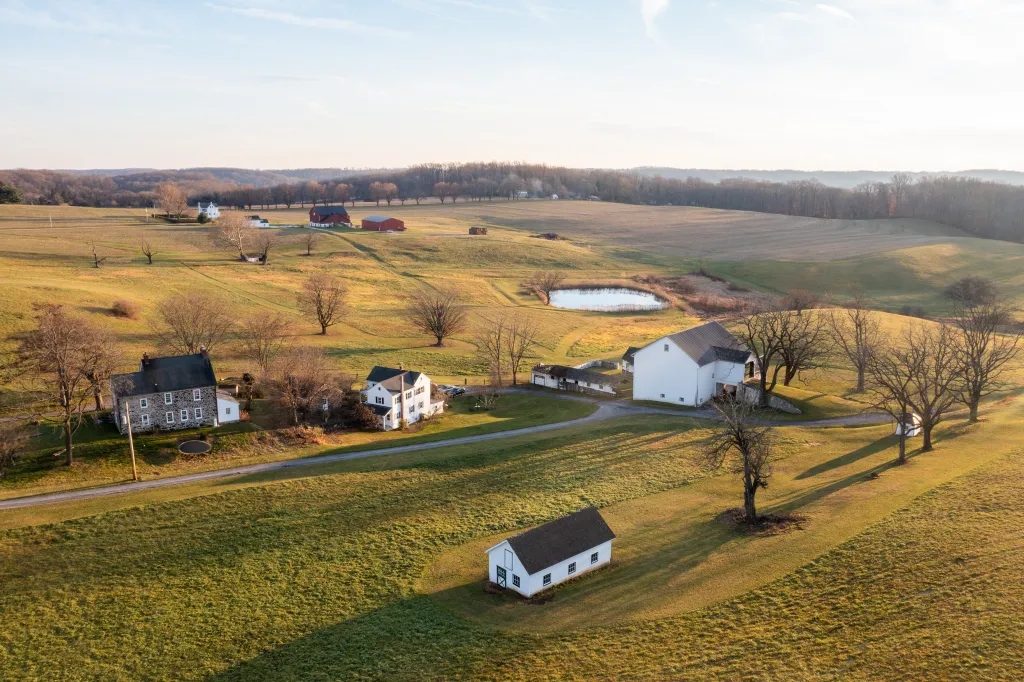
Willistown Township has quietly become one of the most resilient and desirable luxury real estate markets in Chester County, not because of trend-driven development—but because of what cannot be built there. In 2026, zoning restrictions, preservation policies, and large-lot requirements continue to shape supply in ways that directly support long-term luxury property values.
This post explains how Willistown zoning works, why it matters so much to high-end buyers and sellers, and how land-use controls, conservation, and development limits translate into price stability, scarcity, and resale confidence in one of the Philadelphia suburbs’ most understated luxury markets.
⸻
Table of Contents
1.Why Zoning Matters More in Luxury Markets
2.An Overview of Willistown Township
3.Large-Lot Zoning and Supply Scarcity
4.Preservation, Open Space, and Conservation Easements
5.Limited Commercial Development and Lifestyle Impact
6.Zoning vs. New Construction: Why Inventory Stays Tight
7.How Zoning Protects Long-Term Property Values
8.Buyer Profiles Drawn to Willistown
9.What This Means for Luxury Buyers
10.What This Means for Sellers
11.Final Takeaways
⸻
1. Why Zoning Matters More in Luxury Markets
In luxury real estate, value is driven less by short-term demand spikes and more by long-term supply constraints. Zoning plays a critical role by determining:
•Minimum lot sizes
•Density limits
•Subdivision rights
•Commercial encroachment
•Preservation of surrounding land
In markets like Willistown, zoning effectively limits how much inventory can ever exist—creating structural scarcity that benefits existing homeowners.
⸻
2. An Overview of Willistown Township
Willistown Township sits in central Chester County, bordering Main Line-adjacent areas such as Malvern and Easttown while maintaining a distinctly rural and estate-oriented character.
Key attributes include:
•Large residential parcels
•Equestrian and agricultural heritage
•Limited commercial zoning
•Proximity to Malvern Borough and Route 202
•Access to top regional school districts
Unlike suburban towns built around growth, Willistown has intentionally prioritized preservation and low density.
⸻
3. Large-Lot Zoning and Supply Scarcity
One of the most important factors supporting luxury values in Willistown is large-lot residential zoning.
Typical zoning characteristics include:
•Minimum acreage requirements
•Restrictions on subdivision
•Limited opportunities for dense development
For luxury buyers, this means:
•Fewer neighbors
•Greater privacy
•Consistent neighborhood character
•Protection against future overdevelopment
From a market perspective, large-lot zoning ensures that supply remains permanently constrained, even during strong demand cycles.
⸻
4. Preservation, Open Space, and Conservation Easements
Willistown has a long history of land preservation through:
•Open space initiatives
•Conservation easements
•Agricultural preservation programs
Large swaths of land surrounding residential properties are permanently protected, which:
•Preserves views and landscapes
•Limits future construction
•Enhances the estate-living appeal
•Stabilizes long-term property values
For luxury buyers, knowing that neighboring land cannot be developed is often as important as the home itself.
⸻
5. Limited Commercial Development and Lifestyle Impact
Another defining feature of Willistown zoning is restricted commercial development.
Rather than strip retail or dense mixed-use projects, Willistown relies on:
•Nearby Malvern Borough for dining and services
•Limited local commercial nodes
•Preservation of residential and rural character
This approach attracts buyers who want:
•Quiet residential environments
•Minimal traffic and noise
•Separation between home and commercial activity
The result is a market that appeals to buyers prioritizing privacy and tranquility over convenience density.
⸻
6. Zoning vs. New Construction: Why Inventory Stays Tight
In many luxury markets, new construction introduces volatility by increasing supply. In Willistown, zoning significantly limits this risk.
Key impacts include:
•Few large-scale developments
•Custom homes built individually, not en masse
•Long timelines for approvals and construction
•High barriers to entry for builders
As a result, inventory in Willistown remains structurally low, and new homes tend to complement—not compete with—existing luxury properties.
⸻
7. How Zoning Protects Long-Term Property Values
Zoning in Willistown functions as a value-protection mechanism.
It supports pricing by:
•Preventing sudden supply increases
•Preserving neighborhood character
•Supporting estate-scale living
•Attracting buyers planning long-term ownership
During slower market cycles, these factors help Willistown experience price stability rather than sharp corrections, particularly in the $1M+ segment.
⸻
8. Buyer Profiles Drawn to Willistown
Willistown attracts a specific type of luxury buyer, including:
•Executives and professionals relocating from NYC or DC
•Buyers seeking estate properties with acreage
•Families prioritizing privacy and long-term stability
•Buyers planning multi-year or generational ownership
These buyers are generally less rate-sensitive and more focused on lifestyle and long-term value—further supporting pricing resilience.
⸻
9. What This Means for Luxury Buyers
Luxury buyers considering Willistown should:
•Understand zoning and subdivision limits before purchasing
•Evaluate surrounding land preservation status
•Prioritize location and acreage over short-term finishes
•Recognize that scarcity supports long-term value
In Willistown, buyers are purchasing protected lifestyle and land, not just square footage.
⸻
10. What This Means for Sellers
For sellers, Willistown zoning is a major asset—but only if positioned correctly.
Successful sellers:
•Emphasize acreage, privacy, and preservation
•Highlight zoning protections and land-use limits
•Price based on true estate comparables
•Avoid comparisons to denser suburban markets
Luxury buyers value what cannot be built as much as what already exists.
⸻
11. Final Takeaways
Willistown Township’s zoning policies are a key reason its luxury real estate market remains stable, desirable, and insulated from overdevelopment. Large-lot requirements, preservation efforts, and limited commercial zoning combine to create permanent scarcity—one of the most powerful drivers of long-term luxury property values.
In 2026, buyers and sellers who understand how zoning shapes supply and protects lifestyle are best positioned to make confident, high-value decisions in Willistown’s luxury market.
⸻
Eric Kelley, Philadelphia Suburbs Realtor & Attorney