

Phoenixville vs. West Chester:
Which Has Stronger Appreciation?
Summary
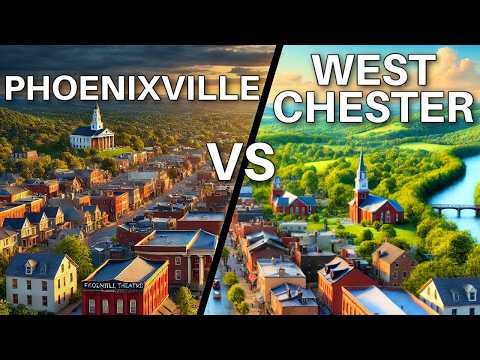
Phoenixville and West Chester are two of the most in-demand lifestyle markets in Chester County—and in 2026, buyers (and investors) are constantly comparing them. Both have walkable downtowns, strong regional access, and deep buyer demand. But when people ask, “Which has stronger appreciation?” the real answer depends on what you mean by appreciation: short-term spikes, long-term stability, or upside from continued change.
Phoenixville has been one of the region’s standout “revitalization” stories, often benefiting from strong lifestyle momentum and continued downtown energy. West Chester is more established and institutionally anchored, with a mature borough identity that tends to support stable, repeatable demand. Both can appreciate strongly—but they do so through different drivers.
This post breaks down Phoenixville vs. West Chester appreciation through the lens of demand, supply constraints, buyer profiles, rental dynamics, and long-term resale confidence.
⸻
Table of Contents
1.Appreciation 101: What Actually Drives It in 2026
2.Phoenixville Appreciation Drivers
3.West Chester Appreciation Drivers
4.Walkability and Lifestyle: Who Wins?
5.Supply Constraints and New Construction Pressure
6.Rental Demand and Investor Influence
7.Price Band Behavior and Buyer Pool Depth
8.Which Market Is More Resilient in a Slowdown?
9.What This Means for Buyers and Investors
10.Final Takeaways
⸻
1. Appreciation 101: What Actually Drives It in 2026
Home appreciation isn’t magic—especially in mature suburban markets. In 2026, appreciation is most strongly driven by:
•Buyer pool growth (more people wanting to live there)
•Supply constraints (limited ability to add inventory)
•Lifestyle “magnet” status (walkability, dining, events, identity)
•School district and family demand
•Employment access and commuting flexibility
•Rental demand and investor participation (especially in boroughs)
With Phoenixville and West Chester, the comparison comes down to how these variables stack up—and which buyer pool is expanding faster.
⸻
2. Phoenixville Appreciation Drivers
Phoenixville’s appreciation story is closely tied to lifestyle momentum and the transformation of its downtown.
A) Downtown energy creates a “destination premium”
Phoenixville’s Bridge Street has become a regional magnet for dining, nightlife, and community events. Towns that feel like destinations tend to outperform because buyers aren’t just buying shelter—they’re buying identity.
B) Strong demand from Philly movers and younger buyers
Phoenixville attracts buyers who want:
•walkability
•an active social environment
•a town-centered lifestyle without the cost of the Main Line
This creates a deep buyer pool in key price bands, especially where first-time and move-up buyers overlap.
C) Rental demand supports value (and investor interest)
Phoenixville’s rental demand is consistently strong, which:
•supports investor purchasing
•maintains liquidity
•can increase price floors in certain segments
That said, investor participation can increase competition but also increase sensitivity to rates and cash flow.
D) Proximity to trails and outdoor lifestyle
Access to the Schuylkill River Trail and nearby outdoor amenities adds to Phoenixville’s lifestyle appeal. In 2026, “usable lifestyle” amenities often translate to real pricing premiums.
⸻
3. West Chester Appreciation Drivers
West Chester is an established borough market, and its appreciation tends to come from durability and stability.
A) Mature, recognized downtown with long-term demand
West Chester has a strong borough identity with walkable streets, dining, shops, and consistent community activity. Unlike newer “hot” markets, West Chester has been a lifestyle magnet for decades—creating durable demand across cycles.
B) Institutional stability
West Chester benefits from:
•stable borough infrastructure
•long-term desirability
•a buyer pool that includes families, professionals, and downsizers
In many markets, “institutional demand” is what protects appreciation during slower cycles.
C) Strong family demand in surrounding townships
Even when buyers choose not to live in the borough itself, they often choose townships like West Goshen or East Goshen specifically to be near West Chester while gaining space and quieter neighborhoods. That regional demand supports the borough’s broader pricing ecosystem.
D) Broad buyer pool across multiple life stages
West Chester can appeal to:
•families
•professionals
•downsizers
•relocators
•investors (selectively)
A broader buyer pool often means steadier long-term appreciation.
⸻
4. Walkability and Lifestyle: Who Wins?
Both towns offer real walkability, but they feel different.
Phoenixville
•More “nightlife + weekend energy”
•Strong bar/restaurant scene and social buzz
•Often attracts younger buyers and couples
West Chester
•More “classic borough” feel
•Strong dining and events, but a more traditional vibe
•Often attracts families and long-term homeowners
Neither is objectively better. But lifestyle identity influences who moves in—and who stays—which influences long-term demand.
⸻
5. Supply Constraints and New Construction Pressure
Supply is a major determinant of appreciation.
Phoenixville supply dynamics
Phoenixville has seen more development pressure and growth interest over time, which can:
•support values by increasing town desirability
•but also introduce more housing supply relative to demand
The key is whether demand continues to outpace supply in the segments buyers actually want.
West Chester supply dynamics
West Chester Borough is relatively built out, which:
•limits major supply increases
•supports long-term scarcity
Surrounding townships can add inventory, but the borough core itself often remains supply-constrained.
⸻
6. Rental Demand and Investor Influence
Investors care about different metrics than primary buyers, and investor presence can shape appreciation patterns.
Phoenixville
Investor interest has historically been stronger due to:
•rental demand
•lifestyle premium
•relative affordability compared to the Main Line
This can support appreciation, but it can also create sensitivity when financing costs rise.
West Chester
West Chester has rental demand as well, but investor participation tends to be:
•more selective
•often influenced by borough regulations and property type
•balanced by a strong owner-occupant market
Long-term, owner-occupant demand often creates more stable appreciation.
⸻
7. Price Band Behavior and Buyer Pool Depth
A key question in 2026: where is the deepest buyer pool?
In general:
•Phoenixville tends to have strong competition in “young buyer” and early move-up price bands.
•West Chester tends to have strong competition across a broader set of price bands due to its established reputation and family appeal.
When markets slow, the areas with deeper buyer pools often hold value best.
⸻
8. Which Market Is More Resilient in a Slowdown?
If you define “stronger appreciation” as resilience (holding value during slower periods), West Chester often has an edge because it’s mature and institutionally anchored.
If you define “stronger appreciation” as upside (momentum-driven growth), Phoenixville can have the edge because lifestyle growth markets can continue expanding buyer demand.
This is why the best answer is: Phoenixville can have stronger upside; West Chester can have stronger stability.
⸻
9. What This Means for Buyers and Investors
For primary buyers
Choose based on lifestyle fit first:
•If you want energy, trails, and a younger vibe: Phoenixville
•If you want classic borough stability and broad appeal: West Chester
For investors
Think in terms of:
•tenant quality and demand stability
•long-term exit buyer pool
•property taxes and maintenance profile
•regulatory environment in borough vs township settings
The strongest strategy is often buying a property that appeals to both markets: walkable, well-maintained, and in a prime micro-location.
⸻
10. Final Takeaways
Phoenixville and West Chester are both strong markets with long-term appreciation potential—but they appreciate through different mechanisms.
•Phoenixville often benefits from lifestyle momentum, rental demand, and continued “destination town” growth.
•West Chester often benefits from institutional stability, scarcity in the borough core, and a broad buyer pool that supports long-term resilience.
In 2026, the best choice is the one aligned with your timeline and goals: upside vs stability, energy vs classic borough living, and investor metrics vs lifestyle priorities.
⸻
Eric Kelley, Philadelphia Suburbs Realtor & Attorney