

Bucks County New Construction Communities
Summary
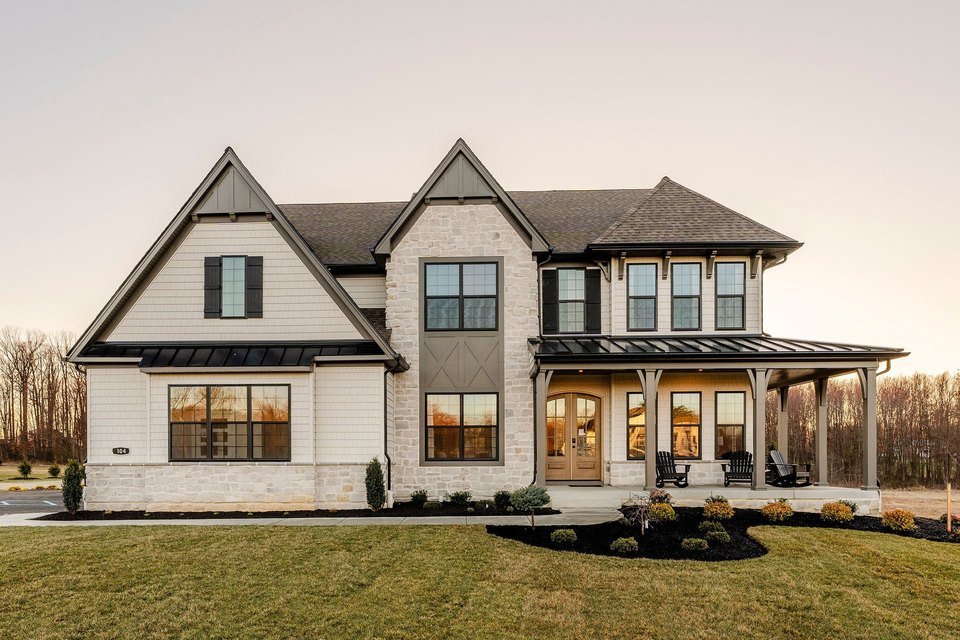
New construction in Bucks County offers something many buyers want in 2026: modern layouts, energy efficiency, predictable maintenance, and move-in-ready convenience. But “new construction” is not one product. Bucks County includes everything from luxury custom builds and small infill projects to larger townhome and single-family communities—each with different pricing dynamics, tax implications, HOA structures, and resale profiles.
This guide explains how Bucks County new construction communities work, where new builds are most common, what buyers should watch for (especially around taxes and HOA rules), and how sellers in nearby resale neighborhoods should position their homes against new construction competition.
⸻
Table of Contents
1.Why Buyers Are Choosing New Construction in 2026
2.Where New Construction Exists in Bucks County (and Where It Doesn’t)
3.Types of New Construction Communities
4.Pricing Patterns: New Builds vs. Resale Homes
5.Property Taxes, Assessments, and “New Construction Tax Shock”
6.HOA Fees, Rules, and What They Really Mean
7.Lot Premiums, Upgrades, and Builder Pricing Strategy
8.What This Means for Buyers
9.What This Means for Sellers Competing with New Construction
10.Final Takeaways
⸻
1. Why Buyers Are Choosing New Construction in 2026
New construction demand has remained strong because it reduces uncertainty. Buyers in Bucks County often choose new builds for:
•Open layouts and modern kitchens
•Home office flexibility (still a big deal for hybrid workers)
•New systems (HVAC, roof, windows)
•Lower short-term maintenance risk
•The ability to customize finishes
In 2026, many buyers are also renovation-averse. Even if a resale home is cheaper, buyers may prefer paying a premium for a home that feels “finished” and low-risk.
⸻
2. Where New Construction Exists in Bucks County (and Where It Doesn’t)
Bucks County is a mix of built-out boroughs and more development-friendly townships. New construction tends to concentrate where land is available and zoning allows it.
Areas where new construction is more common
•Lower Bucks: pockets near major roadways, townhouse communities, and mixed-use corridors
•Central Bucks: selective developments near Doylestown-area townships and growth pockets
•Upper Bucks: more custom builds and larger-lot opportunities (depending on township)
Areas where new construction is limited
•Established, walkable borough cores like Doylestown Borough, Newtown Borough, and Yardley Borough typically have limited large-scale new builds due to:
•land scarcity
•preservation and zoning constraints
•historic housing stock and neighborhood character
This scarcity is one reason resale homes in prime borough locations often hold value strongly—even when nearby new construction exists.
⸻
3. Types of New Construction Communities
Buyers should understand what “new construction” actually means in Bucks County.
A) Large Single-Family Communities
These often provide:
•predictable neighborhood layouts
•larger homes with modern designs
•community amenities (sometimes)
Best for buyers who want space and don’t need walkability.
B) Townhome Communities
Townhomes are common in Bucks County new construction because they:
•offer lower-maintenance living
•hit more attainable price points
•attract downsizers and young families
Townhomes often compete directly with older single-family homes in certain price bands.
C) Small Infill Projects
Infill homes—new builds on individual lots—are more common near established towns and can offer:
•prime location + new systems
•strong long-term resale demand
These are often some of the best “new construction” opportunities because they combine new interiors with strong micro-location.
D) Custom Builds and Tear-Downs
In higher-end parts of Bucks County, new construction may come from:
•tearing down older homes
•building custom luxury homes on premium lots
These properties behave more like Main Line luxury markets and are heavily dependent on lot quality and buyer expectations.
⸻
4. Pricing Patterns: New Builds vs. Resale Homes
New construction typically sells at a premium compared to resale homes, but the premium is not always “pure profit.”
Buyers are paying for:
•new systems and lower maintenance
•modern layouts
•builder warranty protection
•customization (at a price)
However, resale homes often win when they offer:
•better lot size or mature landscaping
•stronger location (walkability, borough proximity)
•lower taxes or no HOA
•architectural character new builds can’t replicate
In 2026, the competition often comes down to whether the buyer values certainty and modern layouts more than location and lot.
⸻
5. Property Taxes, Assessments, and “New Construction Tax Shock”
This is one of the biggest surprises for new construction buyers.
Many new construction listings show low taxes initially because:
•the property may be assessed before the full home value is recorded
•taxes can adjust after completion or after the first reassessment cycle
Buyers should plan for:
•taxes based on the full improved value (land + completed home)
•potential increases after purchase
•township and school district millage impacts
In Central Bucks and Council Rock areas, taxes can be meaningful. A “tax shock” after year one can change monthly affordability, so buyers should model conservatively.
⸻
6. HOA Fees, Rules, and What They Really Mean
Most new construction communities come with an HOA. That isn’t necessarily bad—but buyers should understand the implications.
HOAs may cover:
•snow removal
•landscaping of common areas
•community amenities
•sometimes exterior maintenance in townhome communities
HOA rules may restrict:
•rentals
•parking
•fences and exterior changes
•short-term rentals
•certain exterior features
For investors, HOA rules can materially affect rental flexibility. For primary buyers, HOA rules can affect lifestyle and resale appeal.
⸻
7. Lot Premiums, Upgrades, and Builder Pricing Strategy
Builders rarely price homes “straight.”
Common pricing layers:
•base price (often the headline marketing price)
•lot premiums (cul-de-sac, wooded, walkout basement, larger lot)
•structural upgrades (extensions, finished basements, extra bedrooms)
•design center finishes (kitchen upgrades, flooring, lighting)
A buyer might think they’re buying a $750,000 home and end up at $880,000 after the realistic upgrades that most buyers want.
In 2026, the most sophisticated buyers compare:
•total purchase price with upgrades
•tax implications
•HOA fees
•resale competitiveness 3–7 years from now
⸻
8. What This Means for Buyers
If you’re considering Bucks County new construction in 2026:
•Compare new builds to resale homes in the same monthly payment range
•Model taxes conservatively (don’t rely on early-year tax estimates)
•Read HOA docs early, not after contract
•Understand what upgrades you actually need vs. want
•Consider resale: new homes feel “new” for only a few years, so location still matters
New construction can be a great option—but only when the numbers and lifestyle match your long-term plan.
⸻
9. What This Means for Sellers Competing with New Construction
If you’re selling a resale home near new construction, you can still win—if you position correctly.
Sellers should highlight:
•larger lots and mature landscaping
•walkability or proximity to boroughs like Doylestown or Newtown
•lack of HOA restrictions
•tax predictability (in some cases)
•architectural character and neighborhood identity
In 2026, resale homes outperform when they show buyers a clear advantage that new construction cannot replicate.
⸻
10. Final Takeaways
Bucks County new construction communities offer modern convenience and lower maintenance—but they come with important tradeoffs: taxes, HOA structures, upgrade costs, and the reality that location still drives long-term value.
In 2026, the best new construction purchase is the one that balances:
•total monthly cost
•neighborhood quality
•resale confidence
•and lifestyle fit
If you’re considering new construction in Bucks County—or selling near it—local strategy matters.
⸻
Eric Kelley, Philadelphia Suburbs Realtor & Attorney