

Bryn Mawr Real Estate:
Historic Homes vs. Renovated Properties
Summary
Bryn Mawr is one of the Main Line’s most architecturally distinctive and consistently desirable real estate markets, known for its historic stone homes, tree-lined streets, walkable amenities, and access to top-tier schools and transit. In 2026, buyers considering Bryn Mawr often face a key decision: purchase a historic home with original character or a renovated (or fully modernized) property offering turnkey convenience.
This post breaks down historic homes vs. renovated properties in Bryn Mawr, explaining how each performs in today’s market, who they appeal to, and how this choice affects pricing, days on market, and long-term resale value.
⸻
Table of Contents
1.Why Bryn Mawr Remains a Core Main Line Market
2.Understanding Bryn Mawr’s Historic Housing Stock
3.Renovated Properties: What “Turnkey” Really Means
4.Pricing Differences: Historic vs. Renovated
5.Days on Market and Buyer Behavior
6.Maintenance, Ownership Costs, and Reality
7.Neighborhood and Micro-Location Considerations
8.Buyer Profiles: Who Chooses Which Option
9.What This Means for Buyers
10.What This Means for Sellers
11.Final Takeaways
⸻
1. Why Bryn Mawr Remains a Core Main Line Market
Bryn Mawr offers a blend of Main Line prestige and everyday livability that continues to attract buyers across market cycles.
Key drivers of demand include:
•Walkability near Lancaster Avenue
•SEPTA Paoli/Thorndale Line access at Bryn Mawr Station
•Proximity to Bryn Mawr College and cultural institutions
•Location within the Lower Merion School District
•Easy access to Suburban Square, Haverford, and Ardmore
Because Bryn Mawr combines transit, schools, and character, it remains resilient even as broader market conditions change.
⸻
2. Understanding Bryn Mawr’s Historic Housing Stock
Much of Bryn Mawr’s appeal comes from its historic homes, many of which date back to the late 19th and early 20th centuries.
Common historic styles include:
•Stone Colonials
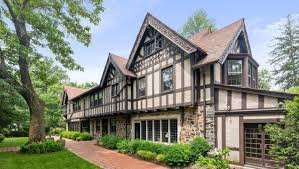
•Tudors and Victorians
•Early Main Line estates
•Homes with original slate roofs, millwork, and fireplaces
Why Buyers Love Historic Homes
•Architectural character that cannot be replicated
•Larger lots and established streetscapes
•Prestige and visual presence
•Strong alignment with Main Line identity
Tradeoffs to Understand
•Older mechanical systems or infrastructure
•Higher maintenance costs
•Layouts that may not suit modern living without updates
•Renovation restrictions in certain historic districts
Historic homes attract buyers who value character and legacy over convenience.
⸻
3. Renovated Properties: What “Turnkey” Really Means
Renovated homes in Bryn Mawr range from thoughtfully updated historic properties to homes that have been extensively modernized or rebuilt.
A true turnkey renovation typically includes:
•Updated kitchens and bathrooms
•Modern HVAC, electrical, and plumbing systems
•Open or semi-open floor plans
•Energy efficiency improvements
•Contemporary finishes
Buyers increasingly prioritize certainty—knowing major work is complete before move-in.
⸻
4. Pricing Differences: Historic vs. Renovated
In 2026, renovated homes in Bryn Mawr generally command a premium, often reflected in higher price-per-square-foot figures.
Typical pricing dynamics:
•Fully renovated homes sell faster and closer to list price
•Historic homes may trade at a discount if updates are needed
•Buyers factor renovation costs and timelines into offers
•Well-executed renovations can outperform size alone
However, renovated homes are not immune to pricing sensitivity—over-renovation or poor design choices can limit buyer appeal.
⸻
5. Days on Market and Buyer Behavior
Days on market (DOM) often highlights the difference between these two segments.
Renovated Homes
•Shorter DOM when priced correctly
•Strong early interest and competition
•Appeal to relocators and busy professionals
Historic, Unrenovated Homes
•Longer DOM unless priced strategically
•More negotiation during inspections
•Smaller but passionate buyer pool
In Bryn Mawr, condition often matters as much as location once a property hits the market.
⸻
6. Maintenance, Ownership Costs, and Reality
Buyers should evaluate true cost of ownership, not just purchase price.
Historic homes may involve:
•Roof, masonry, and window upkeep
•Higher heating and cooling costs
•Specialized contractors
Renovated homes may:
•Reduce near-term maintenance
•Offer more predictable costs
•Command higher upfront pricing
Neither option is “better”—the right choice depends on budget, tolerance for projects, and lifestyle.
⸻
7. Neighborhood and Micro-Location Considerations
Micro-location plays a major role in how both property types perform.
Factors that matter:
•Walkability to Bryn Mawr Station and Lancaster Avenue
•Traffic patterns and street character
•Proximity to Bryn Mawr College
•School district boundaries within Lower Merion
A renovated home on a less desirable street may underperform a historic home in a prime location.
⸻
8. Buyer Profiles: Who Chooses Which Option
Historic Home Buyers
•Long-term Main Line residents
•Buyers seeking architectural significance
•Owners comfortable with ongoing maintenance
•Buyers planning multi-year ownership
Renovated Home Buyers
•Relocators from NYC or DC
•Dual-income households with limited time
•Buyers prioritizing move-in readiness
•Families seeking functional layouts
Understanding buyer psychology helps explain pricing and demand patterns.
⸻
9. What This Means for Buyers
If you’re buying in Bryn Mawr:
•Decide early whether character or convenience matters more
•Price renovation risk realistically
•Understand how location interacts with condition
•Avoid comparing renovated and unrenovated homes purely on size
The best value is often found where expectations and reality align.
⸻
10. What This Means for Sellers
Sellers must align strategy with property type.
Historic home sellers should:
•Price with renovation needs in mind
•Highlight architectural details and lot quality
•Prepare for longer timelines
Renovated home sellers should:
•Avoid overpricing based on renovation cost alone
•Emphasize functionality and systems upgrades
•Launch with strong presentation
Correct positioning is critical in both cases.
⸻
11. Final Takeaways
Bryn Mawr’s real estate market thrives on contrast—historic charm and modern convenience coexist, each appealing to different buyers.
In 2026, renovated homes generally sell faster and at higher price-per-square-foot levels, while historic homes continue to attract buyers who value authenticity and long-term character.
The most successful buyers and sellers are those who understand how condition, location, and buyer psychology intersect in this uniquely Main Line market.
⸻
Eric Kelley, Philadelphia Suburbs Realtor & Attorney