

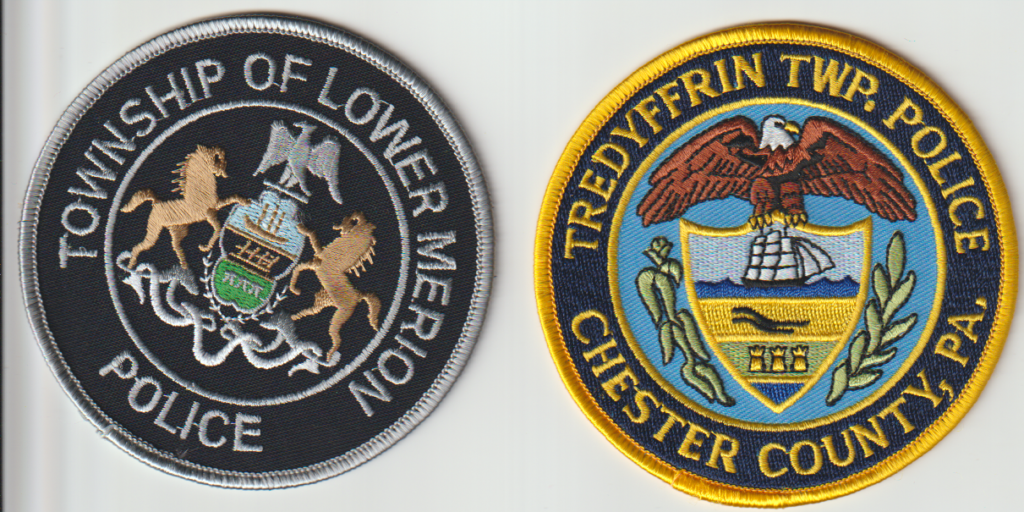
Lower Merion vs. Tredyffrin Easttown:
Which Main Line “Value” Is Better for 2026 Buyers?
Summary
If you are deciding between Lower Merion and Tredyffrin Easttown, you are not alone. This is one of the most common “high-intent” Main Line questions I get from buyers, especially relocators coming from NYC, DC, or North Jersey who want strong schools, long term resale confidence, and a lifestyle that still feels connected to the city. Both areas have elite reputations, deep buyer demand, and neighborhoods that hold value well. The decision usually comes down to what you want your day to day routine to feel like and how you want to balance taxes, housing stock, and commute flexibility.
This guide compares Lower Merion and Tredyffrin Easttown in a practical way for 2026 buyers. I’ll cover taxes and monthly cost reality, school district and resale confidence, housing stock differences, lifestyle anchors like Suburban Square in Ardmore and the Paoli rail corridor, and how micro-location affects pricing inside each area.
⸻
Table of Contents
1.The real comparison: what “value” means on the Main Line
2.Lifestyle differences: Lower Merion routine vs Tredyffrin Easttown routine
3.Schools and resale confidence: why both stay liquid
4.Taxes and monthly payment reality
5.Housing stock and what buyers typically get for the money
6.Commute and access: Center City vs King of Prussia optionality
7.Who should choose Lower Merion
8.Who should choose Tredyffrin Easttown
9.Final takeaways
⸻
1. The real comparison: what “value” means on the Main Line
When buyers say “value,” they usually do not mean cheap. They mean: where will my money feel safest and where will my lifestyle feel best. On the Main Line, that safety comes from a mix of school district reputation, deep demand, and neighborhood identity. Both Lower Merion and Tredyffrin Easttown check those boxes. That is why, even when the broader market slows, these areas tend to remain more resilient than less established suburbs.
The more useful way to compare them is to ask: which one gives me the version of Main Line living I actually want, at the monthly payment I can comfortably carry.
⸻
2. Lifestyle differences: Lower Merion routine vs Tredyffrin Easttown routine
Lower Merion often feels more “close-in Main Line.” Your routine is anchored by proximity to Philadelphia, established neighborhoods, and a more immediate connection to Center City. Towns and communities like Ardmore, Wynnewood, Bala Cynwyd, and Gladwyne all live under the Lower Merion umbrella, but they feel very different from each other. Ardmore is more walkable and social, especially around Suburban Square and Lancaster Avenue. Wynnewood feels quieter and more residential. Bala Cynwyd can feel very practical for commuters who want quick access in and out of the city. Gladwyne is often chosen for privacy and estate-style living.
Tredyffrin Easttown, by contrast, tends to feel slightly more spacious and corridor-oriented. Many buyers associate it with Paoli, Berwyn, and the Chesterbrook area, plus strong access to the Route 202 corridor and King of Prussia. The lifestyle is still Main Line, but it often feels a touch more suburban in the daily rhythm. Buyers who want a bit more breathing room while still keeping strong schools and rail access often gravitate here.
Neither is better. They are different flavors of the same premium market.
⸻
3. Schools and resale confidence: why both stay liquid
If you are choosing between these districts, you are already shopping in a tier where school reputation is a major driver of demand. Both districts tend to attract families who plan ahead and are willing to compete for the right home. That creates deep buyer pools, which is the foundation of resale confidence.
In 2026, that matters because buyers are more selective. Even in selective markets, strong districts remain liquid. Homes that are priced correctly and present well still move. The key is that micro-location and condition matter more than the district name alone. A home on a busy road will behave differently than a home on a quiet, neighborhood street, even within the same district.
⸻
4. Taxes and monthly payment reality
Taxes are one of the biggest practical differences buyers feel between areas, but it is important to compare apples to apples. Buyers often hear “Lower Merion taxes” and assume a certain outcome, but taxes are property specific. They depend on assessment, municipality, and how the home is classified.
What I recommend is not guessing based on reputation. When clients are truly comparing Lower Merion and Tredyffrin Easttown, we look at actual tax bills for comparable homes and translate it into monthly payment. That makes the decision real.
The broader pattern is that taxes can be meaningful in both areas, and in 2026, that affects affordability more than it did when rates were lower. The buyer who wins in these markets is the buyer who models total monthly cost early and avoids getting emotionally attached before the math works.
⸻
5. Housing stock and what buyers typically get for the money
Housing stock differences are one of the most important factors in this comparison.
Lower Merion offers a mix that includes more close-in housing, older classic homes, and in some pockets, less lot size relative to price because you are paying for proximity. You also find a wide range: twins and smaller homes in Ardmore, classic colonials in Wynnewood, and estate-style properties in Gladwyne.
Tredyffrin Easttown often offers a slightly different mix: more colonials built in the later twentieth century, strong family neighborhoods, and in areas like Chesterbrook, a very specific community feel that some buyers love. You still have older Main Line housing stock in pockets, but many buyers feel they can find more functional layouts and easier parking situations without moving too far from the Main Line ecosystem.
If you are a buyer who wants move-in ready with a more modern flow, Tredyffrin Easttown can feel easier. If you are a buyer who values close-in Main Line identity and wants proximity to Philadelphia and the Main Line retail corridor, Lower Merion can feel like the right fit.
⸻
6. Commute and access: Center City vs King of Prussia optionality
Commute optionality matters even for hybrid workers. It is not just about daily commuting. It is about how easy your life feels.
Lower Merion tends to be more attractive for buyers who want faster access to Center City and to the closer-in Main Line amenities. If you want to be able to get into Philadelphia for dinner, culture, or a meeting without feeling like it is a project, Lower Merion’s proximity is valuable.
Tredyffrin Easttown often wins for buyers whose routine includes King of Prussia, Route 202 corporate corridors, and broader regional access. It can also feel slightly more convenient for those who want a balance between Philadelphia and the western suburbs.
Both offer rail access along the Paoli Thorndale line in the broader corridor, and both offer highway access, but daily friction can differ based on where you live within each district.
⸻
7. Who should choose Lower Merion
Lower Merion is often the better fit if you want
A closer-in Main Line routine with easier access to Philadelphia
Walkability options like Ardmore and the Suburban Square area
A wide variety of housing styles, including classic older homes and estate pockets
A market with deep, consistent demand and strong resale confidence
⸻
8. Who should choose Tredyffrin Easttown
Tredyffrin Easttown is often the better fit if you want
Strong schools and resale confidence with a slightly more suburban rhythm
Proximity and access to Route 202 and King of Prussia corridors
Family neighborhood feel in areas like Paoli, Berwyn, and Chesterbrook
A higher likelihood of finding layouts that feel more modern and functional
⸻
9. Final takeaways
Lower Merion and Tredyffrin Easttown are both premium Main Line choices with strong school reputations and deep demand. The “better value” depends on your routine, your commute needs, the housing stock you prefer, and how taxes impact your monthly payment in your price band. The smartest approach in 2026 is to compare comparable homes, compare real tax bills, and then choose the district that fits your daily life, not just the district name.
If you want help narrowing this decision to specific neighborhoods and streets, I can build a focused shortlist based on your budget, commute pattern, and what kind of home you want, so you can move quickly when the right listing hits.
Eric Kelley, Philadelphia Suburbs Realtor & Attorney