

How SEPTA Rail Access Impacts Main Line Home Values
Summary
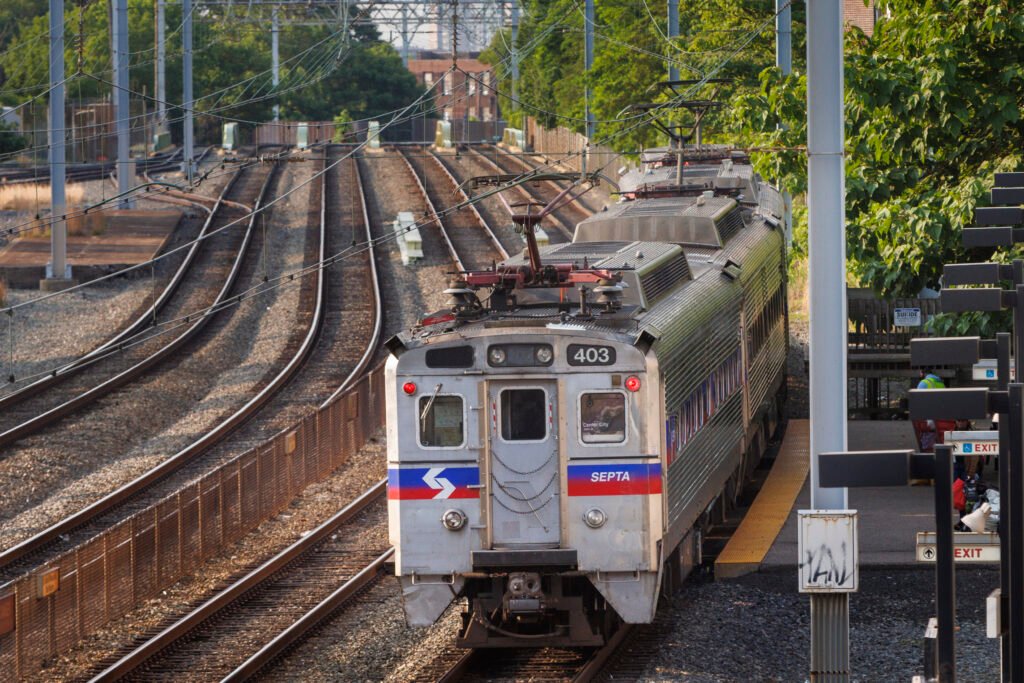
SEPTA rail access has long been one of the most powerful value drivers on the Main Line, shaping where buyers choose to live, how quickly homes sell, and how well neighborhoods hold value over time. In 2026, as hybrid work and flexible commuting redefine buyer priorities, proximity to SEPTA’s Paoli/Thorndale Line remains a major differentiator—but its impact varies significantly by town, station, and micro-location.
This post breaks down how SEPTA rail access affects Main Line home values, explains which towns and neighborhoods benefit the most, and outlines what buyers and sellers should understand when evaluating properties near rail stations.
⸻
Table of Contents
1.Why Rail Access Matters on the Main Line
2.The Paoli/Thorndale Line: The Spine of the Main Line
3.Walk-to-Station Premiums Explained
4.Town-by-Town Impact of SEPTA Rail Access
5.Days on Market and Buyer Competition Near Stations
6.Noise, Traffic, and the Micro-Location Tradeoff
7.Rail Access vs. School Districts: Which Matters More?
8.How Rail Access Affects Long-Term Value
9.What This Means for Buyers
10.What This Means for Sellers
11.Final Takeaways
⸻
1. Why Rail Access Matters on the Main Line
The Main Line was built around rail, not highways. Towns like Ardmore, Bryn Mawr, Villanova, Wayne, Devon, and Paoli developed specifically to serve commuters traveling into Philadelphia—and later New York and Washington, DC.
Even in 2026, rail access matters because it provides:
•Predictable commute times
•Flexibility for hybrid workers
•Reduced reliance on daily driving
•Direct access to Center City and Amtrak connections
Buyers increasingly value optional commuting power—even if they don’t use the train every day.
⸻
2. The Paoli/Thorndale Line: The Spine of the Main Line
SEPTA’s Paoli/Thorndale Line is the primary rail line serving the Main Line.
Key stations include:
•Ardmore Station
•Bryn Mawr Station
•Villanova Station
•Wayne Station
•Devon Station
•Paoli Station
Paoli Station, in particular, stands out due to its Amtrak service, park-and-ride capacity, and connectivity for longer-distance commuters.
Homes with easy access to these stations often experience stronger buyer demand and faster sales than similar homes farther away.
⸻
3. Walk-to-Station Premiums Explained
One of the most consistent pricing patterns on the Main Line is the walk-to-station premium.
Homes within walking distance of SEPTA stations often:
•Command higher price-per-square-foot values
•Sell faster than comparable properties
•Attract a broader buyer pool
•Appeal strongly to relocators
However, “walkable” is not just about distance—it’s about safe sidewalks, flat terrain, and pleasant routes. A half-mile walk on a quiet, tree-lined street performs very differently than a shorter walk across major roads.
⸻
4. Town-by-Town Impact of SEPTA Rail Access
Ardmore
•Multiple rail options
•Strong walkability
•Premium pricing near station and Suburban Square
•High appeal to former city residents
Bryn Mawr
•Strong rail-driven demand
•Proximity to Bryn Mawr College
•Renovated homes near the station sell particularly fast
Villanova
•Rail access combined with larger lots
•Appeals to buyers balancing space and commuting flexibility
Wayne
•One of the strongest walk-to-town-and-rail markets
•Consistently short days on market near the station
Devon and Paoli
•More car-oriented but still rail-driven
•Paoli benefits from Amtrak and commuter parking
Each town benefits differently depending on walkability, housing stock, and station access.
⸻
5. Days on Market and Buyer Competition Near Stations
Days on market (DOM) is one of the clearest indicators of rail-driven demand.
Typical patterns include:
•Shorter DOM for homes within walking distance of stations
•Faster absorption for renovated homes near rail
•Strong early interest from relocators and professionals
•More competitive bidding in tight inventory periods
Homes far from rail often rely more heavily on school district and house size to drive demand.
⸻
6. Noise, Traffic, and the Micro-Location Tradeoff
Not all rail-adjacent homes perform equally.
Buyers often discount homes that:
•Back directly to tracks
•Sit near busy parking lots
•Experience traffic congestion near stations
The best-performing properties are close enough to benefit from access, but far enough to avoid noise and congestion.
Micro-location—sometimes down to the block—can significantly impact value.
⸻
7. Rail Access vs. School Districts: Which Matters More?
On the Main Line, school districts often outweigh rail access—but the two together create the strongest demand.
Top-performing combinations include:
•Lower Merion School District + walkable rail access
•Radnor Township School District + downtown Wayne station proximity
•Tredyffrin-Easttown School District + Paoli access
When buyers can have both strong schools and rail convenience, pricing power increases meaningfully.
⸻
8. How Rail Access Affects Long-Term Value
Rail access tends to support long-term value stability, even during slower markets.
Why?
•It broadens the buyer pool
•It attracts relocators and professionals
•It future-proofs properties against commuting changes
Even buyers who don’t currently use the train often value the option for resale purposes.
⸻
9. What This Means for Buyers
If you’re buying on the Main Line:
•Evaluate rail access as a strategic asset
•Understand true walkability, not just distance
•Balance rail proximity with noise considerations
•Don’t ignore resale implications
The right rail-adjacent location can enhance both lifestyle and long-term value.
⸻
10. What This Means for Sellers
Sellers near SEPTA stations should:
•Highlight walkability and commute flexibility
•Emphasize sidewalks, station access, and travel times
•Price based on true rail-adjacent comparables
•Avoid assuming all rail proximity is equal
Homes positioned correctly near rail often sell faster and closer to list price.
⸻
11. Final Takeaways
SEPTA rail access remains one of the most important—and nuanced—drivers of Main Line home values. While not every buyer rides the train daily, the presence of rail consistently enhances demand, shortens days on market, and supports long-term pricing.
In 2026, the strongest Main Line properties are those that combine school district strength, neighborhood character, and convenient—but well-situated—rail access.
⸻
Eric Kelley, Philadelphia Suburbs Realtor & Attorney