

What Makes a Neighborhood “Resilient” When the Market Slows
Summary
When markets slow, not all neighborhoods react the same way. Some see sharp drops in activity, longer days on market, and price pressure. Others barely flinch — homes still sell, values hold, and buyer interest remains steady.
This isn’t luck. Neighborhood resilience is structural.
In the Philadelphia suburbs, resilient neighborhoods share a predictable set of traits that protect demand when conditions tighten. Understanding those traits helps buyers reduce downside risk and helps sellers price and position effectively — especially when headlines turn negative.
This guide explains what actually makes a neighborhood resilient, why these factors matter more in slower markets, and how to identify resilience before you buy or list.
Table of Contents
What “Resilient” Really Means in Real Estate
School District Gravity and Buyer Floor
Scarcity and Supply Discipline
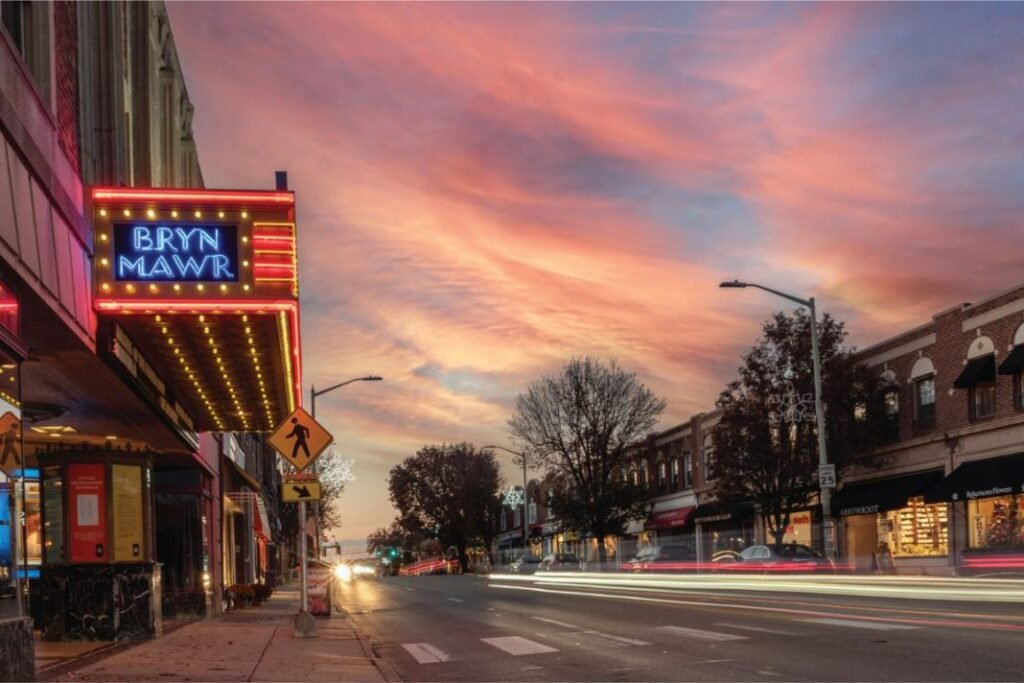
Walkability, Town Centers, and Lifestyle Anchors
Commute Flexibility and Employment Access
Housing Stock That Ages Well
Community Identity and Buyer Loyalty
Price Bands and Buyer Pool Depth
What Doesn’t Create Resilience
The Strategic Takeaway
1. What “Resilient” Really Means in Real Estate
Resilience doesn’t mean prices never move. It means demand persists even when conditions change.
Resilient neighborhoods typically show:
Shorter increases in days on market
Fewer forced price reductions
Faster recovery after slowdowns
Continued buyer competition for well-priced homes
In contrast, fragile neighborhoods rely heavily on:
Cheap financing
Speculative demand
Overbuilding
One-dimensional buyer pools
When any of those props disappear, demand evaporates quickly.
2. School District Gravity and Buyer Floor
One of the strongest drivers of resilience in the Philly suburbs is school district gravity.
Neighborhoods anchored by consistently strong school districts maintain a buyer floor — a baseline level of demand from families who will buy regardless of market conditions.
This is why areas associated with:
Main Line districts
High-demand Chester and Bucks County districts
tend to hold value better in slower markets.
Even when buyers become cautious, families still need to move — and schools remain a non-negotiable filter.
3. Scarcity and Supply Discipline
Resilience increases dramatically when supply is constrained.
Neighborhoods with:
Limited buildable land
Zoning restrictions
Few teardown opportunities
Stable housing stock
experience less volatility because new inventory cannot flood the market to undercut existing homes.
Scarcity doesn’t just support prices — it supports confidence. Buyers know alternatives are limited, which reduces hesitation even in uncertain conditions.
4. Walkability, Town Centers, and Lifestyle Anchors
Lifestyle matters more when buyers become selective.
Resilient neighborhoods often include:
Walkable downtowns
Restaurants, shops, and services within reach
Access to parks, trails, or community amenities
These features create everyday utility, not just abstract desirability. When buyers reassess budgets, they prioritize neighborhoods that reduce friction in daily life.
Drive-only suburbs with no focal point often struggle more when demand softens.
5. Commute Flexibility and Employment Access
Resilient neighborhoods tend to offer commute optionality.
This includes:
Rail access to Philadelphia
Multiple highway routes
Viable hybrid or remote-work compatibility
When job conditions change or households rebalance work arrangements, neighborhoods that offer flexibility remain attractive to a broader range of buyers.
One-dimensional commute patterns create vulnerability.
6. Housing Stock That Ages Well
Not all homes age gracefully — and resilience depends on this more than most buyers realize.
Neighborhoods dominated by:
Timeless architecture
Functional layouts
Adaptable floor plans
perform better over time than areas filled with:
Overly specialized homes
Trend-driven designs
Excessive square footage with limited utility
Homes that “live well” appeal across cycles, even when buyers become cautious.
7. Community Identity and Buyer Loyalty
Resilient neighborhoods often have something harder to quantify: identity.
These areas tend to have:
Strong reputations
Emotional attachment from residents
Buyers actively waiting for listings
When residents choose to stay — and outsiders actively want in — demand holds even when markets slow.
Neighborhoods without identity rely more on price competition, which becomes painful in down cycles.
8. Price Bands and Buyer Pool Depth
Resilience is also about where a neighborhood sits in the price spectrum.
Neighborhoods that:
Serve multiple buyer types
Offer a range of entry points
Appeal to both move-up buyers and downsizers
tend to maintain liquidity.
Markets dominated by a single high-end price band often experience sharper slowdowns because the buyer pool is thinner and more discretionary.
9. What Doesn’t Create Resilience
Several commonly cited “strengths” don’t reliably protect neighborhoods in slower markets:
New construction alone
Low taxes without demand drivers
Size without location
Speculative appreciation history
These factors may boost performance in hot markets — but they don’t create a durable buyer base when conditions normalize.
10. The Strategic Takeaway
Neighborhood resilience isn’t about predicting the market. It’s about positioning against uncertainty.
The most resilient neighborhoods in the Philly suburbs tend to combine:
Strong school gravity
Limited supply
Lifestyle utility
Commute flexibility
Broad buyer appeal
Buyers who prioritize these traits reduce downside risk. Sellers who understand them price and position more effectively — even when headlines turn negative.
Closing Thought
Markets move. Rates change. Sentiment swings.
But neighborhoods with real, structural demand don’t disappear when conditions tighten — they simply separate themselves from the rest.
Resilience isn’t about timing the market.
It’s about choosing places people want to live in every market.
By Eric Kelley, Philadelphia Suburbs Realtor & Attorney