

Villanova Real Estate:
Pricing Trends and Buyer Profiles
Summary
Villanova is one of the most consistently desirable micro-markets on the Main Line of suburban Philadelphia, driven by elite school districts, transit access, and proximity to Villanova University. In 2026, Villanova real estate continues to attract a distinct mix of buyers—from Main Line move-up families to academic professionals and long-term investors—while maintaining pricing resilience even as broader market conditions fluctuate.
This post breaks down pricing trends, buyer profiles, and neighborhood dynamics in Villanova, explaining why this relatively small geographic area commands outsized demand and how buyers and sellers should think strategically about value.
Table of Contents
Why Villanova Is a Unique Main Line Market
Villanova Pricing Trends: What the Data Shows
The Role of School Districts in Villanova Values
Buyer Profile #1: Main Line Move-Up Families
Buyer Profile #2: Academic & Institutional Buyers
Buyer Profile #3: Long-Term Investors & Second-Home Buyers
Micro-Location Matters in Villanova
Housing Stock: Historic Homes vs. Renovated Properties
What This Means for Buyers
What This Means for Sellers
Final Takeaways
1. Why Villanova Is a Unique Main Line Market
Villanova sits primarily within Lower Merion Township (Montgomery County), with some adjacent pockets tied closely to Radnor Township. Its appeal is rooted in a rare combination of:
Proximity to Villanova University
SEPTA Paoli/Thorndale Regional Rail access
Quick connectivity to Center City Philadelphia
Strong school district reputation
Established Main Line prestige
Villanova offers many of the advantages of Bryn Mawr and Wayne while maintaining a slightly quieter, more residential feel—something many buyers actively seek.
2. Villanova Pricing Trends: What the Data Shows
While exact figures fluctuate monthly, Villanova consistently trends toward the upper tier of Main Line pricing for comparable home types.
General pricing patterns include:
Strong premiums for renovated, move-in-ready homes
Pricing stability during slower transaction cycles
Faster absorption for homes within walking distance to rail or campus
Wider price variance due to mixed housing stock
Homes near Lancaster Avenue or with easy access to the Villanova rail station often outperform those farther from transit.
Villanova’s pricing is less volatile than many suburban markets because demand is diversified and inventory is limited.
3. The Role of School Districts in Villanova Values
School district alignment is one of the strongest value drivers in Villanova.
Most properties fall within the Lower Merion School District, one of the most sought-after districts in Pennsylvania. This creates:
Strong demand from families relocating from Philadelphia
Long-term resale confidence
Buyer willingness to pay for location stability
School district strength often matters more than short-term interest rate changes in this market.
4. Buyer Profile #1: Main Line Move-Up Families
A large portion of Villanova buyers are families already familiar with the Main Line.
They are often:
Moving from Ardmore, Bryn Mawr, or Narberth
Seeking larger lots or more privacy
Prioritizing Lower Merion schools
Looking for long-term stability rather than short-term appreciation
These buyers tend to be well-informed and decisive when the right home becomes available.
5. Buyer Profile #2: Academic & Institutional Buyers
Villanova University plays a meaningful role in shaping buyer demand.
Academic professionals and administrators often seek:
Proximity to campus
Walkable or short-commute locations
Established residential streets
Homes suitable for long-term ownership
This buyer group adds a layer of demand that is relatively insulated from broader housing cycles.
6. Buyer Profile #3: Long-Term Investors & Second-Home Buyers
Villanova also attracts:
Long-term hold investors
Buyers purchasing homes for future use
Parents of university students planning extended ownership
These buyers focus on:
Location durability
Rental demand potential
Long-term appreciation rather than short-term yield
Their presence helps support pricing during slower sales periods.
7. Micro-Location Matters in Villanova
Villanova is highly sensitive to micro-location differences.
Key pricing influencers include:
Walkability to the Villanova rail station
Distance to Lancaster Avenue
Traffic patterns and street character
Proximity to campus without being directly impacted by activity
Two homes a few blocks apart can perform very differently depending on noise, access, and neighborhood feel.
8. Housing Stock: Historic Homes vs. Renovated Properties
Villanova’s housing stock includes:
Stone Colonials
Mid-century homes
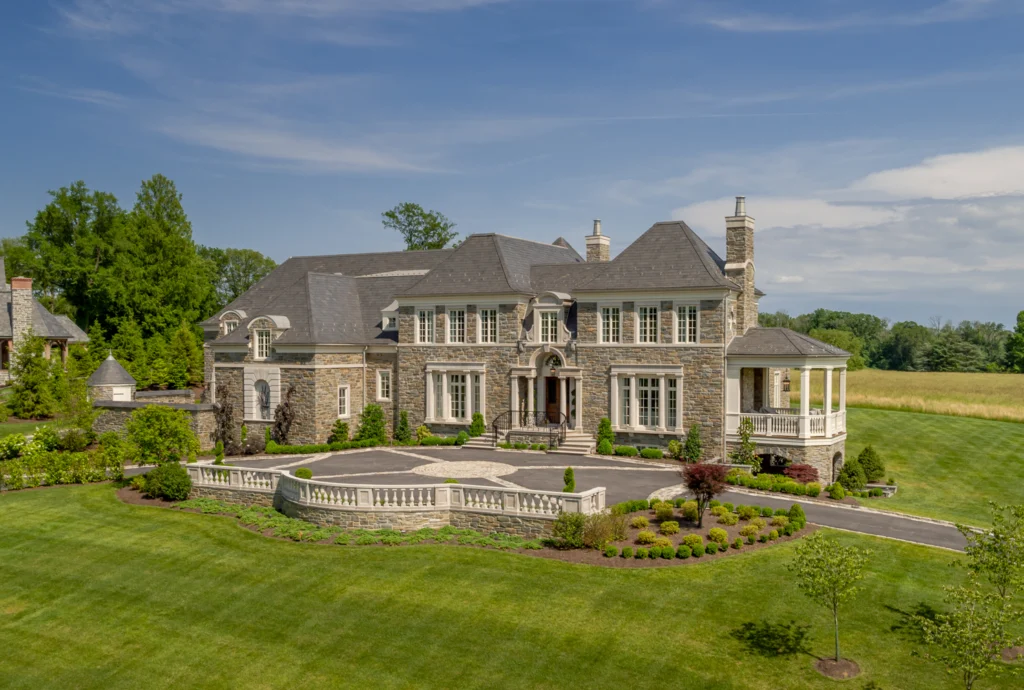
Estate-style properties
Renovated and expanded residences
Historic Homes
Appeal to buyers seeking architectural character
Often sit on larger, established lots
May require ongoing maintenance
Renovated Homes
Command premium pricing
Sell faster in most market conditions
Attract buyers seeking certainty and efficiency
In 2026, renovated homes tend to compress days on market, but well-maintained historic homes still perform strongly when priced correctly.
9. What This Means for Buyers
If you’re buying in Villanova:
Be prepared for limited inventory.
Understand school district boundaries clearly.
Evaluate micro-location carefully.
Expect competition for turnkey homes.
Value in Villanova is driven by fundamentals—patience and precision matter more than speed.
10. What This Means for Sellers
Sellers benefit from Villanova’s consistent demand but must price strategically.
Successful sellers:
Price based on true comparables, not peak sales
Highlight school district and transit access
Emphasize renovation quality and lifestyle appeal
Avoid “testing the market” in a low-inventory environment
Correct pricing often results in strong early interest.
11. Final Takeaways
Villanova real estate remains one of the Main Line’s most resilient and desirable markets. Pricing trends reflect limited supply, strong school districts, and a diverse buyer pool that includes families, academics, and long-term investors.
In 2026, Villanova continues to reward buyers and sellers who understand micro-location, condition, and long-term fundamentals rather than reacting to short-term market noise.
By Eric Kelley, Philadelphia Suburbs Realtor & Attorney