

The Hidden Costs of Homeownership First-Time Buyers Don’t Budget For
Summary
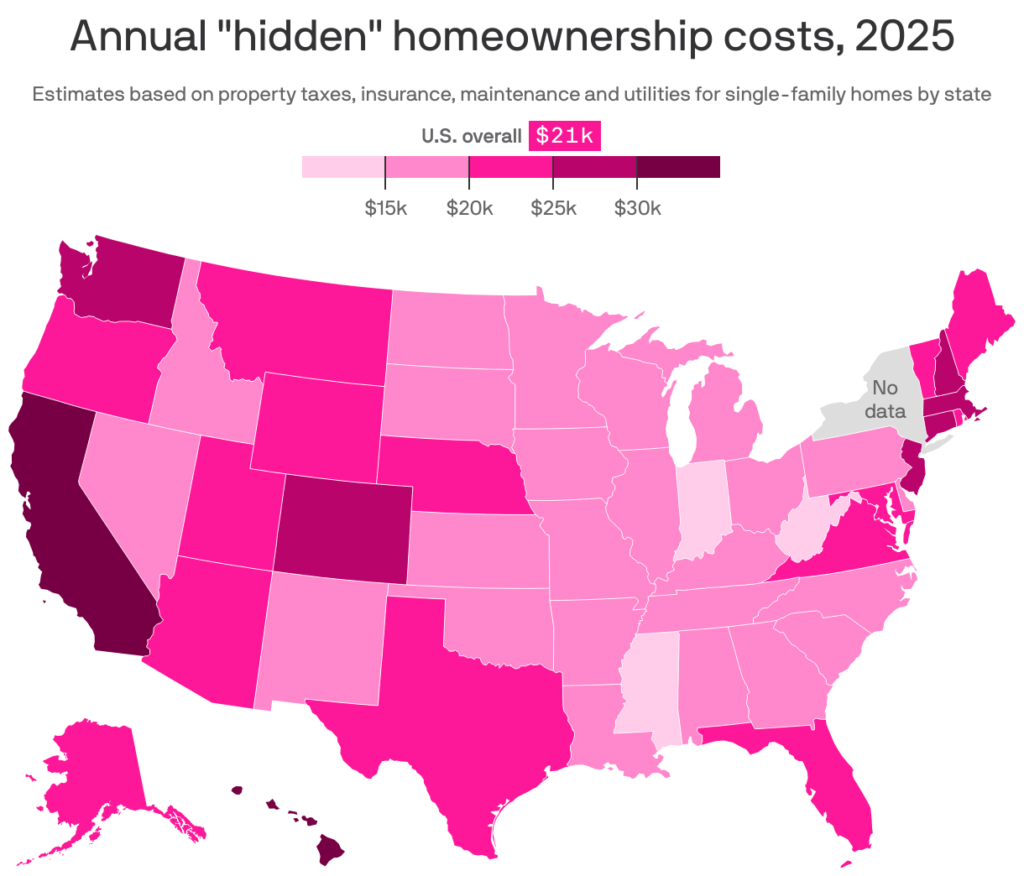
Most first-time buyers spend months preparing for a down payment and mortgage — but far less time preparing for the ongoing costs of owning a home. The result is a familiar pattern: buyers qualify comfortably on paper, close with confidence, and then feel financial pressure within the first year.
This isn’t because they bought irresponsibly. It’s because many of the true costs of homeownership are invisible during the buying process, especially in markets like the Philadelphia suburbs, where taxes, maintenance, and municipal structures vary widely by location.
This article breaks down the hidden costs first-time buyers often underestimate — and how to budget realistically so ownership feels sustainable, not stressful.
Table of Contents
Why First-Time Buyers Underestimate True Costs
Property Taxes: More Than a Line Item
Home Maintenance Isn’t Optional (or Cheap)
Repairs That Don’t Feel Like “Repairs”
Utilities and Energy Costs
Insurance Gaps and Surprises
HOA Fees and Special Assessments
Furniture, Tools, and “Setup” Costs
Transactional Costs After Closing
A Smarter Budgeting Framework
1. Why First-Time Buyers Underestimate True Costs
Most first-time buyers anchor to the monthly mortgage payment. That makes sense — it’s the largest and most visible expense. But ownership costs extend far beyond principal and interest.
Buyers underestimate costs because:
Rent includes many expenses ownership does not
Lenders focus on qualification, not comfort
Online calculators simplify reality
Many costs are irregular, not monthly
The danger isn’t one big surprise — it’s the cumulative effect of smaller, recurring expenses that don’t show up in pre-approval conversations.
2. Property Taxes: More Than a Line Item
Property taxes are one of the most misunderstood ownership costs.
Common mistakes include:
Assuming taxes won’t change after purchase
Ignoring reassessment risk
Comparing list prices without comparing tax burdens
In the Philly suburbs, two similar homes can have:
Identical purchase prices
Radically different tax bills
Taxes affect:
Monthly escrow payments
Long-term affordability
Resale competitiveness
Buyers should always evaluate taxes as part of total monthly ownership cost, not as an afterthought.
3. Home Maintenance Isn’t Optional (or Cheap)
A common rule of thumb is to budget 1%–2% of a home’s value per year for maintenance. Many first-time buyers ignore this entirely.
Maintenance includes:
HVAC servicing
Gutter cleaning
Landscaping
Minor plumbing and electrical work
Appliance upkeep
Even in well-maintained homes, these costs add up. And unlike rent, maintenance costs are your responsibility — whether or not you planned for them that month.
4. Repairs That Don’t Feel Like “Repairs”
Some of the most expensive ownership costs don’t feel like repairs — but they are.
Examples include:
Replacing a water heater
Addressing drainage issues
Fixing roof leaks before failure
Updating aging electrical panels
These costs often appear suddenly and demand immediate attention. Buyers who budget only for visible repairs are often caught off guard by system-related expenses.
5. Utilities and Energy Costs
Utility costs are frequently underestimated — especially by buyers moving from apartments or smaller homes.
Ownership often means:
Larger square footage
Less insulation efficiency in older homes
Outdoor water usage
Seasonal heating and cooling swings
Monthly utility bills can vary dramatically by:
Home size
Age
Construction quality
Fuel source
A mortgage payment may be fixed, but utility costs are not.
6. Insurance Gaps and Surprises
Homeowners insurance is another area where buyers often budget inaccurately.
Beyond base premiums, buyers may encounter:
Higher premiums for older homes
Increased costs for certain roof types
Separate flood insurance
Coverage gaps for valuables or home offices
Insurance costs can also rise over time, especially after claims or regional risk reassessments.
7. HOA Fees and Special Assessments
For buyers purchasing townhomes or properties with associations, HOA costs are often misunderstood.
HOA fees may cover:
Exterior maintenance
Roofs and siding
Landscaping and snow removal
Amenities
However, buyers should also understand:
What the HOA does not cover
Whether reserves are adequate
The risk of special assessments
A low monthly fee can be misleading if the association is underfunded.
8. Furniture, Tools, and “Setup” Costs
One of the most overlooked costs of ownership is simply making the house functional.
First-time buyers often need to purchase:
Furniture sized for the new space
Lawn equipment
Basic tools
Window treatments
Storage solutions
These costs don’t show up on a settlement sheet — but they show up quickly after move-in.
9. Transactional Costs After Closing
Closing isn’t the end of transactional costs.
New homeowners often face:
Utility deposits
Trash and municipal setup fees
Minor repairs discovered after move-in
Immediate cosmetic updates
These expenses can cluster in the first 3–6 months, creating pressure if buyers haven’t left adequate cash reserves.
10. A Smarter Budgeting Framework
The goal isn’t to scare buyers — it’s to prepare them.
A more realistic ownership budget includes:
Mortgage (principal + interest)
Property taxes and insurance
Maintenance reserve
Utilities
HOA (if applicable)
A monthly buffer for irregular costs
Buyers who build this buffer upfront tend to feel far more confident — and far less stressed — after closing.
Closing Thought
The hidden costs of homeownership aren’t hidden because anyone is misleading buyers. They’re hidden because they don’t show up neatly in one place.
First-time buyers who understand these costs don’t just survive ownership — they enjoy it. They make decisions from a position of control rather than surprise, and they’re better positioned for future moves.
Owning a home is one of the most powerful financial steps you can take — as long as you budget for the whole picture, not just the mortgage.
By Eric Kelley, Philadelphia Suburbs Realtor & Attorney