

Should You Buy a Fixer-Upper in the Philly Suburbs in 2026?
When Renovations Make Money — and When They Don’t
Summary
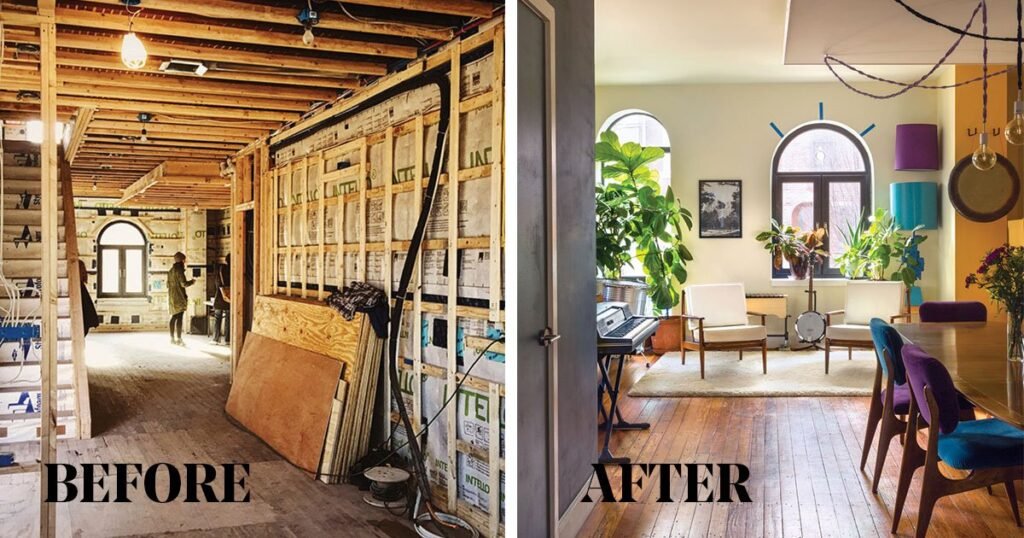
With home prices still high and inventory still tight in 2026, many buyers across the Main Line, Chester County, and Bucks County are considering fixer-uppers as a way to “get in under market.” Sometimes that strategy works brilliantly. Other times it becomes a financial trap. This article breaks down when buying a fixer-upper in the Philly suburbs actually makes sense — and when it quietly destroys wealth.
Table of Contents
-
Why Fixer-Uppers Are Back in 2026
-
The New Renovation Math
-
Main Line Fixers vs. Suburban Fixers
-
Chester County: Value in Space
-
Bucks County: Charm, Not Cheapness
-
The Biggest Renovation Mistakes
-
What Actually Adds Value
-
How to Underwrite a Fixer Like an Investor
-
When You Should Walk Away
-
Bottom Line
1. Why Fixer-Uppers Are Back in 2026
When rates rose and inventory collapsed, buyers lost their two favorite tools:
-
Cheap money
-
Endless listings
That forced buyers to get creative — and fixer-uppers came back into focus.
But the old HGTV math (“buy cheap, renovate, profit”) doesn’t work the same way anymore.
2. The New Renovation Math
In 2026:
-
Labor is expensive
-
Materials are volatile
-
Permitting takes longer
-
Buyers are pickier
A $100,000 renovation today often only returns $60,000–$80,000 in resale value unless it is done very strategically.
That means:
You make money when you buy right — not when you renovate.
3. Main Line Fixers vs. Suburban Fixers
On the Main Line:
-
Location is everything
-
Buyers will tolerate ugly
-
But they won’t tolerate bad layouts
A small outdated home in Lower Merion or Radnor can be a goldmine — if:
-
The street is good
-
The lot is good
-
The bones are right
Over-renovating, however, can trap you.
4. Chester County: Value in Space
In Chester County:
-
Land and square footage drive value
-
Buyers want modern layouts
A dated 3,000 sq ft home can be transformed into something very valuable — but only if:
-
The floor plan is improved
-
The neighborhood supports the finished price
5. Bucks County: Charm, Not Cheapness
Bucks County fixers are dangerous.
Why?
-
Buyers pay for town character
-
Not just finishes
Renovating a historic home in Newtown or Yardley can make sense — but cheap vinyl and generic kitchens actually reduce value.
6. The Biggest Renovation Mistakes
Most buyers lose money by:
-
Over-improving
-
Chasing trends
-
Ignoring floor plans
-
Underestimating time and cost
-
Forgetting taxes, holding costs, and financing
7. What Actually Adds Value
In the Philly suburbs, the highest ROI renovations are:
-
Layout improvements
-
Additional bathrooms
-
Modern kitchens
-
Curb appeal
-
Energy efficiency
Luxury finishes rarely pay for themselves.
8. How to Underwrite a Fixer Like an Investor
Use this formula:
ARV (after-repair value)
minus
Purchase price
minus
Renovation + carrying costs
minus
10–15% profit margin
If it doesn’t work on paper — it won’t work in real life.
9. When You Should Walk Away
Walk if:
-
The layout is wrong
-
The lot is bad
-
The street is weak
-
The numbers don’t work
Emotion kills returns.
10. Bottom Line
Fixer-uppers can still be a smart strategy in 2026 — but only when guided by data, not TV shows.
In the Philly suburbs, the biggest money is made by buying the right ugly house in the right neighborhood, not by doing the fanciest renovation.
If you’re considering a fixer in the Main Line, Chester County, or Bucks County, I run full renovation ROI models for clients so you know exactly where the risks and upside really are.
By Eric Kelley, Realtor & Attorney – Serving the Philadelphia Suburbs