

Property Taxes in New Jersey Explained:
What Buyers Should Budget For
(and Why They Vary So Much)
Summary
Property taxes are one of the most misunderstood aspects of buying a home in New Jersey. This guide explains how New Jersey property taxes work, why they vary so dramatically, and how buyers should evaluate taxes before making an offer.
Table of Contents
Why New Jersey Property Taxes Are So High
How Property Taxes Are Calculated
Why Taxes Vary So Much Between Towns
School Districts and Tax Burden
Reassessments and Tax Increases
How Taxes Affect Affordability and Resale
Appealing Property Taxes
Common Buyer Mistakes
Final Thoughts
1. Why New Jersey Property Taxes Are So High
New Jersey consistently ranks among the highest-taxed states for property ownership. This is largely due to:
Heavy reliance on local funding
Strong school systems
Limited alternative revenue streams
While high taxes are a drawback, they also fund services that many buyers value.
2. How Property Taxes Are Calculated
Property taxes are determined by:
Assessed value of the home
Local tax rates (county, municipal, school)
Importantly, assessed value is not always the same as market value, especially in towns that reassess infrequently.
3. Why Taxes Vary So Much Between Towns
Two similar homes can have wildly different tax bills depending on:
Township budgets
School district spending
Assessment practices
This is why buyers must evaluate taxes by town, not by county or price range.
4. School Districts and Tax Burden
School funding accounts for a large portion of New Jersey property taxes. Towns with highly rated schools often have higher tax rates — but also stronger resale demand.
Taxes should be viewed in context, not isolation.
5. Reassessments and Tax Increases
Buyers should understand reassessment risk:
Some towns reassess regularly
Others go years between reassessments
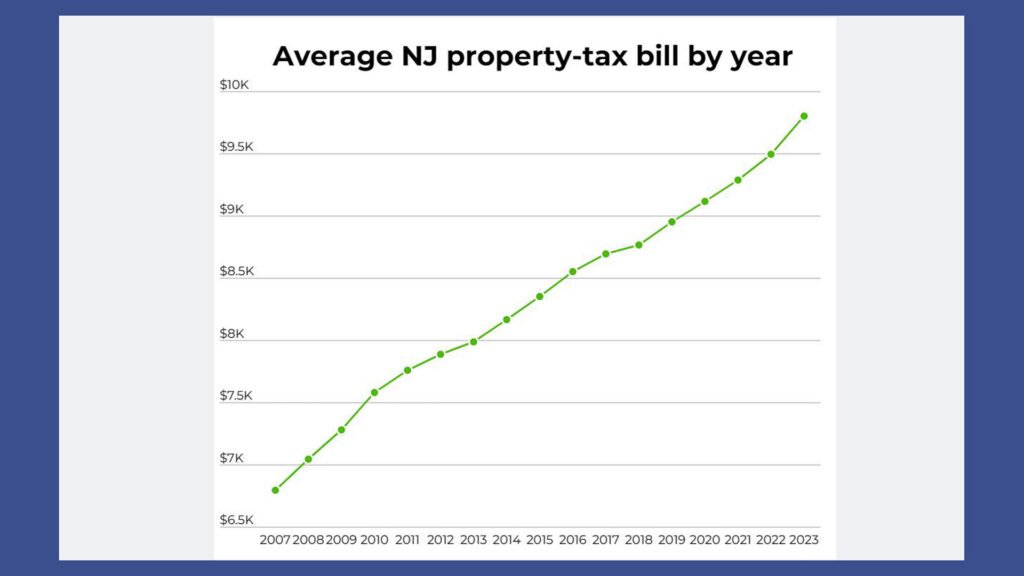
A purchase at a high price can trigger future increases even if the current tax bill looks reasonable.
6. How Taxes Affect Affordability and Resale
Higher taxes impact:
Monthly affordability
Buyer pool size
Long-term resale appeal
Homes with disproportionate tax burdens often take longer to sell.
7. Appealing Property Taxes
Buyers can appeal assessments, but:
Timing is critical
Evidence matters
Success is not guaranteed
Appeals should be pursued strategically, not automatically.
8. Common Buyer Mistakes
Common tax-related errors include:
Ignoring reassessment risk
Comparing taxes across towns inaccurately
Assuming taxes won’t change
Education prevents costly surprises.
9. Final Thoughts
Property taxes are a permanent part of New Jersey homeownership. Buyers who understand them upfront make better decisions, budget more accurately, and avoid regret later.