

Main Line New Construction:
Where It Exists (and Where It Doesn’t)
Summary
New construction on the Main Line is one of the most misunderstood parts of the Philadelphia suburban housing market. Buyers relocating from newer metro areas often assume new homes are widely available if they’re willing to pay for them. In reality, true new construction on the Main Line is scarce, highly localized, and often constrained by zoning, lot availability, and community opposition.
In 2026, understanding where new construction actually exists—and where it effectively doesn’t—is critical for buyers, sellers, and developers alike. This guide breaks down Main Line new construction by township, explains why supply is limited, and outlines realistic alternatives for buyers who want newer homes without leaving the Main Line ecosystem.
Table of Contents
Why New Construction Is So Limited on the Main Line
What “New Construction” Actually Means on the Main Line
Where New Construction Does Exist
Where New Construction Is Extremely Rare
Tear-Downs vs. True Developments
School Districts and Zoning: The Hidden Gatekeepers
What Buyers Should Expect in 2026
Alternatives to New Construction on the Main Line
What This Means for Sellers
Final Takeaways
1. Why New Construction Is So Limited on the Main Line
The Main Line’s appeal—historic character, strong schools, established neighborhoods—is also the reason new construction is scarce.
Key constraints include:
Fully built-out townships with few vacant parcels
Zoning minimums that restrict density
Community resistance to large-scale development
Historic preservation overlays
High land acquisition costs
Unlike outer-ring suburbs, the Main Line simply doesn’t have large tracts of undeveloped land waiting to be built.
2. What “New Construction” Actually Means on the Main Line
When buyers hear “new construction,” they often picture:
Large subdivisions
Identical floor plans
Dozens of homes built at once
On the Main Line, new construction usually means one of three things:
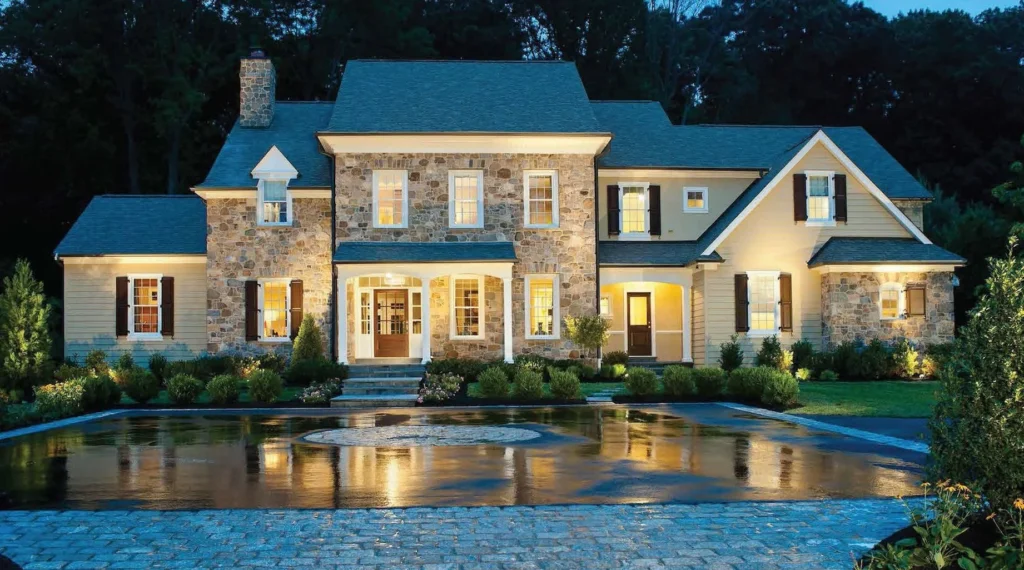
Custom single-home builds on infill lots
Tear-downs and rebuilds
Small, boutique developments (often under 10 homes)
Understanding this distinction helps buyers set realistic expectations.
3. Where New Construction Does Exist
Wayne, Pennsylvania / Radnor Township
Radnor Township is one of the few areas where buyers occasionally find:
Custom new builds on subdivided lots
Small luxury townhome projects near commercial corridors
Why it happens here:
Strong demand
Willingness to allow limited density in targeted zones
Proximity to rail and employment centers
Still, inventory is extremely limited and pricing reflects that scarcity.
Bryn Mawr, Pennsylvania / Lower Merion Township
Lower Merion sees periodic:
Tear-downs replaced with high-end custom homes
One-off infill projects on larger parcels
What buyers should know:
These homes are often priced at a significant premium
Timelines can be long
Finished product quality varies by builder
There is no large-scale “new construction neighborhood” here—only selective opportunities.
Ardmore, Pennsylvania
Ardmore occasionally offers:
New or recently built townhomes
Mixed-use developments near the downtown core
These projects tend to attract buyers who prioritize walkability and transit access over lot size.
Villanova, Pennsylvania
Villanova sees sporadic:
Estate-style custom builds
Rebuilds on premium lots
These homes are often targeted at luxury buyers seeking newer construction without leaving the school district.
4. Where New Construction Is Extremely Rare
Haverford, Pennsylvania
Haverford Township is largely built out, with:
Tight zoning controls
Strong preservation culture
Minimal vacant land
New construction here is almost exclusively tear-down driven.
Narberth, Pennsylvania
Narberth’s charm is its density and walkability—but that also means:
Very limited buildable land
Little opportunity for new homes
Strong resistance to major changes
Buyers seeking new construction here should expect near-zero availability.
Wynnewood, Pennsylvania
Wynnewood is similar to Bryn Mawr but with fewer redevelopment opportunities due to lot configurations and zoning.
5. Tear-Downs vs. True Developments
A large percentage of “new construction” listings on the Main Line are actually:
Older homes purchased for land value
Demolished and rebuilt
These projects:
Take time
Often require zoning variances
Carry higher risk for buyers during construction
For buyers considering a tear-down rebuild, builder reputation and contract structure matter enormously.
6. School Districts and Zoning: The Hidden Gatekeepers
School districts like:
Lower Merion School District
Radnor Township School District
Haverford Township School District
…are a major reason new construction is constrained. Residents often resist development that could:
Increase enrollment
Change neighborhood character
Strain infrastructure
As a result, zoning boards are cautious—and approvals are slow.
7. What Buyers Should Expect in 2026
In 2026, Main Line buyers seeking new construction should expect:
Longer timelines
Higher price points
Limited choice
Strong competition when projects do surface
This is not a market where buyers casually “wait for a new build to come up.”
8. Alternatives to New Construction on the Main Line
Many buyers ultimately pivot to:
Recently renovated homes
High-quality additions
Late-1990s / early-2000s construction (where available)
Nearby Chester County new construction with Main Line access
These options often deliver better value and faster move-in timelines.
9. What This Means for Sellers
For sellers, the lack of new construction creates opportunity:
Well-renovated homes compete extremely well
Turnkey properties command premiums
Buyers are often willing to compromise on age if condition is strong
In many cases, sellers benefit from being the “best alternative” to new construction.
10. Final Takeaways
New construction on the Main Line exists—but it is selective, scarce, and expensive. Buyers who understand where it actually occurs—and why it doesn’t elsewhere—make better decisions and avoid wasted time.
In 2026, success on the Main Line comes from aligning expectations with reality and working within the constraints that make the area desirable in the first place.
By Eric Kelley, Philadelphia Suburbs Realtor & Attorney