

Blog – Condo vs. Single-Family Home:
Pros and Cons for Buyers in the Philadelphia Suburbs
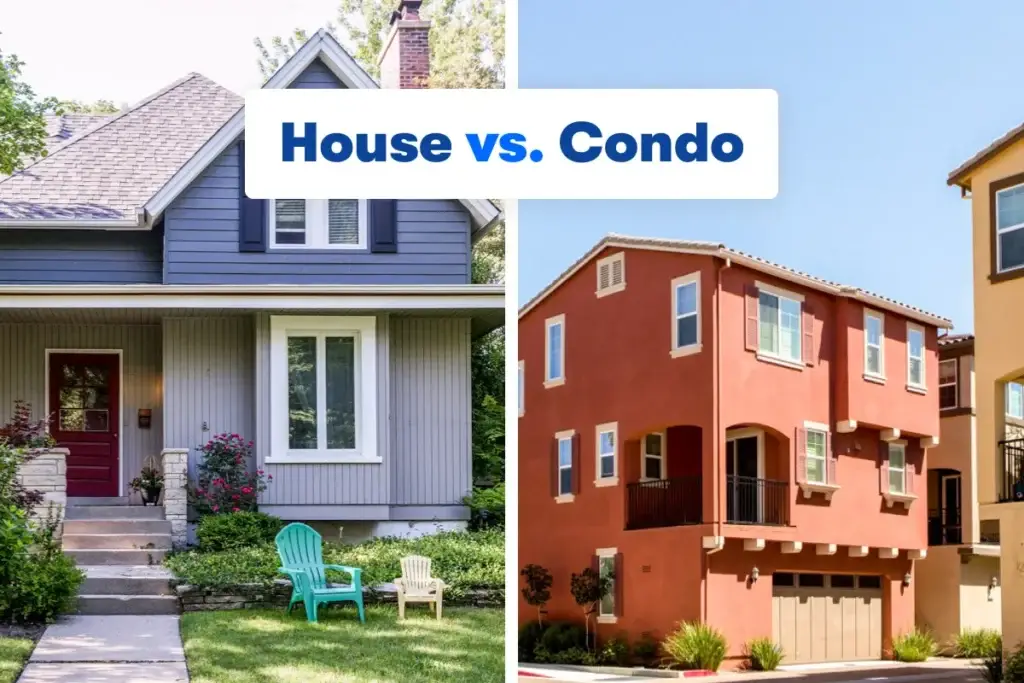
Table of Contents
- Introduction
- Understanding the Key Differences
- Pros of Buying a Condo
- Cons of Buying a Condo
- Pros of Buying a Single-Family Home
- Cons of Buying a Single-Family Home
- Lifestyle, Budget, and Resale Considerations
- Condo vs. Single-Family in the Philly Suburbs
- Final Thoughts
- Work With a Local Expert
1. Introduction
One of the most common decisions buyers face is whether to purchase a condominium or a single-family home. Both options can be excellent choices — but the right fit depends on your lifestyle, budget, long-term plans, and risk tolerance.
In the Philadelphia suburbs, buyers often weigh condos in walkable areas against single-family homes in school-focused neighborhoods.
Understanding the real-world pros and cons of each helps you make a confident decision that aligns with both your lifestyle and financial goals.
This guide breaks down the advantages and drawbacks of condos versus single-family homes, with a specific lens on the Philadelphia suburban market.
2. Understanding the Key Differences
At a high level, the difference comes down to ownership and responsibility.
- Condo: You own the interior of your unit, while common areas and the exterior are shared and managed by an association.
- Single-Family Home: You own the structure and the land, along with full responsibility for maintenance and repairs.
That difference shapes everything from monthly costs to resale value.
3. Pros of Buying a Condo
- Lower Purchase Price
- Condos often offer a lower entry point into desirable locations, especially in areas like Main Line towns or walkable boroughs.
- Low Maintenance
- Exterior maintenance, landscaping, snow removal, and sometimes even roofs are handled by the association — ideal for buyers who value convenience.
- Walkable Locations
- Condos are often located near:
- Train stations
- Restaurants and shops
- Downtown districts
- This is attractive to professionals and downsizers who prioritize lifestyle over space.
- Condos are often located near:
- Predictable Maintenance Costs
- Major exterior repairs are typically shared across owners, reducing surprise expenses (though this depends on the association’s reserves).
4. Cons of Buying a Condo
- HOA Fees
- Monthly association fees can add significantly to your total housing cost. Buyers must factor these into affordability, not just the mortgage.
- Rules and Restrictions
- Associations may limit:
- Rentals
- Pets
- Renovations
- Exterior changes
- These rules can affect flexibility and long-term plans.
- Associations may limit:
- Resale Sensitivity
- Condo values are more sensitive to:
- Interest rates
- HOA financial health
- Lending guidelines
- In shifting markets, condos may take longer to sell than single-family homes.
- Less Privacy
- Shared walls, floors, and ceilings mean less privacy and potential noise issues.
5. Pros of Buying a Single-Family Home
- Greater Privacy and Space
- No shared walls, private yards, and more separation from neighbors — a major draw for families and long-term owners.
- Stronger Appreciation Potential
- Single-family homes generally:
- Hold value better
- Appreciate more consistently
- Perform better during market downturns
- This is especially true in top ranked school districts.
- Single-family homes generally:
- No HOA Restrictions
- Homeowners enjoy greater freedom to:
- Renovate
- Landscape
- Rent (subject to local rules)
- Homeowners enjoy greater freedom to:
- Appeal to a Broader Buyer Pool
- Single-family homes attract families, relocators, and move-up buyers, supporting resale demand.
6. Cons of Buying a Single-Family Home
- Higher Purchase Price
- In many suburbs, single-family homes cost significantly more than condos in the same area.
- Maintenance Responsibility
- All repairs and upkeep — roofs, HVAC, landscaping, snow removal — fall on the owner.
- Time Commitment
- Maintenance requires time, planning, and budgeting, which isn’t ideal for every buyer.
7. Lifestyle, Budget, and Resale Considerations
When choosing between a condo and a single-family home, buyers should evaluate:
Lifestyle
- Do you value walkability or outdoor space?
- Do you want low maintenance or full control?
Budget
- Can you comfortably afford HOA fees long term?
- Do you have reserves for maintenance if buying a house?
Resale
- How long do you plan to own?
- Will your buyer pool be broad or niche?
Short-term owners often favor condos; long-term owners often favor single-family homes.
8. Condo vs. Single-Family in the Philly Suburbs
In areas like West Chester, Bucks County, and along the Main Line, buyers often see this pattern:
- Condos perform best in walkable downtowns and near transit
- Single-family homes dominate in school-focused neighborhoods
Condos are popular among:
- First-time buyers
- Downsizers
- Professionals
Single-family homes dominate among:
- Families
- Long-term owners
- Buyers focused on appreciation
Understanding local sub-markets matters just as much as the property type itself.
9. Final Thoughts
There is no universally “better” option between a condo and a single-family home — only what’s better for you.
Condos offer convenience and accessibility, while single-family homes offer privacy, control, and stronger long-term appreciation. The right choice balances lifestyle, budget, maintenance tolerance, and future plans.
10. Work With a Local Expert
I help buyers compare condos and single-family homes within the same neighborhoods, factoring in HOA costs, resale trends, and long-term value — not just listing prices.
If you’re deciding between a condo and a house in the Philadelphia suburbs or South Jersey, I’m happy to help you evaluate the options and choose confidently.