

Bryn Mawr Real Estate:
Historic Homes vs. Renovated Properties
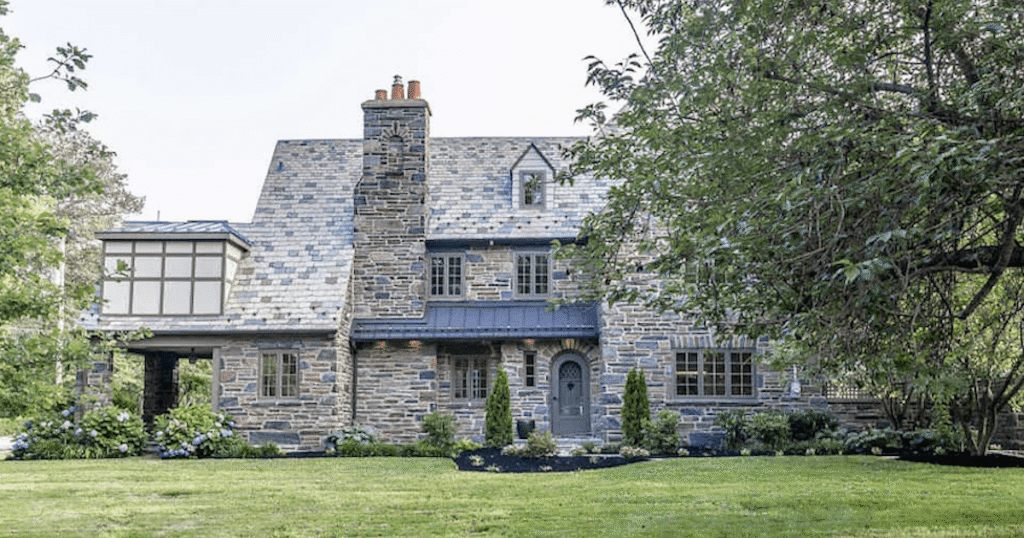
Summary
Bryn Mawr is one of the most recognizable and enduringly desirable communities on the Main Line of suburban Philadelphia. With its blend of historic estates, stone Colonials, twin homes, and fully renovated modern interiors, buyers often face a defining question:
Should you buy historic character—or move-in-ready renovation?
In 2026, Bryn Mawr’s real estate market continues to reward location, school district strength, and proximity to lifestyle amenities like Lancaster Avenue, Suburban Square (Ardmore), and SEPTA rail access. But pricing, resale performance, and buyer competition can vary significantly depending on whether a home is preserved in its original architectural state or comprehensively updated.
This guide breaks down the pros, tradeoffs, and market behavior of historic vs. renovated homes in Bryn Mawr—so you can make a strategic decision.
Table of Contents
Why Bryn Mawr Remains a Main Line Anchor
Historic Bryn Mawr Homes: Character and Long-Term Appeal
Renovated and Updated Properties: Turnkey Demand
School District Impact (Lower Merion vs. Radnor)
Walkability and Micro-Location Matters
Pricing Trends: Historic vs. Renovated
Taxes and Maintenance Considerations
Which Option Is Right for You?
Final Takeaways
1. Why Bryn Mawr Remains a Main Line Anchor
Bryn Mawr straddles both Lower Merion Township (Montgomery County) and Radnor Township (Delaware County)—two highly sought-after districts on the Main Line.
It offers:
SEPTA regional rail access into Center City
Proximity to Villanova University and Bryn Mawr College
Walkable access to dining and retail along Lancaster Avenue
Short drives to Suburban Square in Ardmore
Established tree-lined neighborhoods
Because it combines transit access, school district strength, and historic prestige, Bryn Mawr tends to hold value well—even when broader market conditions shift.
2. Historic Bryn Mawr Homes: Character and Long-Term Appeal
Bryn Mawr is known for:
Stone Colonials
Tudor-style homes
Victorian properties
Early 20th-century estates
These homes often feature:
Slate roofs
Deep window sills
Original millwork
Mature landscaping
Unique lot layouts
Why Buyers Love Historic Homes
Architectural authenticity
Curb appeal that stands out
Timeless resale desirability
Lot sizes that are often larger than new builds
Historic homes near established pockets—especially walkable areas near Lancaster Avenue or rail—tend to attract buyers seeking prestige and permanence.
The Tradeoffs
Older systems (HVAC, plumbing, electrical)
Maintenance costs
Possible layout inefficiencies
Higher renovation risk
Buyers must assess not just charm—but long-term upkeep.
3. Renovated and Updated Properties: Turnkey Demand
Renovated Bryn Mawr homes—whether full gut renovations or high-quality updates—have gained significant demand in the last decade.
These homes often offer:
Open-concept kitchens
Updated mechanical systems
Energy efficiency improvements
Modern bathrooms
Finished basements
Why Renovated Homes Command Premiums
Certainty in cost
Reduced immediate maintenance
Appeal to dual-income, time-constrained households
Lower renovation anxiety in higher-rate environments
In 2026, many buyers prefer move-in-ready homes, especially in the $800,000–$1.5M range. Renovated properties often sell faster when priced appropriately.
4. School District Impact (Lower Merion vs. Radnor)
School district alignment plays a significant role in Bryn Mawr pricing.
Lower Merion School District
Radnor Township School District
Both districts support strong demand, but micro-location and buyer preference can influence competition levels.
A renovated home in a highly desirable pocket of Lower Merion may outperform a similar home outside a prime school catchment zone.
In Bryn Mawr, district + condition often creates a multiplier effect.
5. Walkability and Micro-Location Matters
Not all Bryn Mawr addresses perform equally.
Premium areas often include:
Walkable proximity to Lancaster Avenue shops and dining
Close access to SEPTA rail stations
Quiet, low-traffic streets
Proximity to nearby Main Line hubs like Ardmore and Villanova
Historic homes on premier streets often outperform renovated homes on less desirable micro-locations.
Condition matters—but street-level nuance matters more.
6. Pricing Trends: Historic vs. Renovated
Historic Homes
Often priced lower initially per square foot
May sit longer if renovation is required
Appeal to buyers seeking customization
Renovated Homes
Typically command higher price per square foot
Sell faster in competitive segments
Attract buyers who want minimal friction
In strong school zones and walkable pockets, turnkey homes frequently compress days on market.
However, truly distinctive historic properties with preserved character can command premiums if marketed properly.
7. Taxes and Maintenance Considerations
Property taxes in Bryn Mawr depend on township and assessed value. Buyers should:
Verify the township (Lower Merion vs Radnor)
Understand assessment history
Evaluate long-term maintenance costs
Historic homes may carry:
Higher roofing costs (slate)
Masonry upkeep
Older plumbing infrastructure
Renovated homes may reduce short-term expense but may also carry higher purchase prices.
Monthly carrying cost—not just price—should guide decisions.
8. Which Option Is Right for You?
Choose Historic If:
You value architectural authenticity
You’re comfortable with renovation oversight
You prioritize long-term character over immediate convenience
You want larger, established lots
Choose Renovated If:
You prefer predictability
You want immediate move-in
You’re balancing hybrid commute + family schedule
You prioritize efficiency and modern layout
The best long-term value often comes from pairing strong micro-location with either authentic charm or high-quality renovation—not cosmetic upgrades.
9. Final Takeaways
Bryn Mawr real estate remains anchored by:
School district strength
Transit access
Walkable lifestyle
Historic prestige
Interest rates may influence timing—but condition, district, and micro-location drive lasting value.
In 2026, buyers who carefully evaluate both architectural integrity and renovation quality—while understanding township nuances—will make the strongest long-term decisions.
By Eric Kelley, Philadelphia Suburbs Realtor & Attorney