

Living in the New Jersey Suburbs:
What Buyers Need to Know in 2026
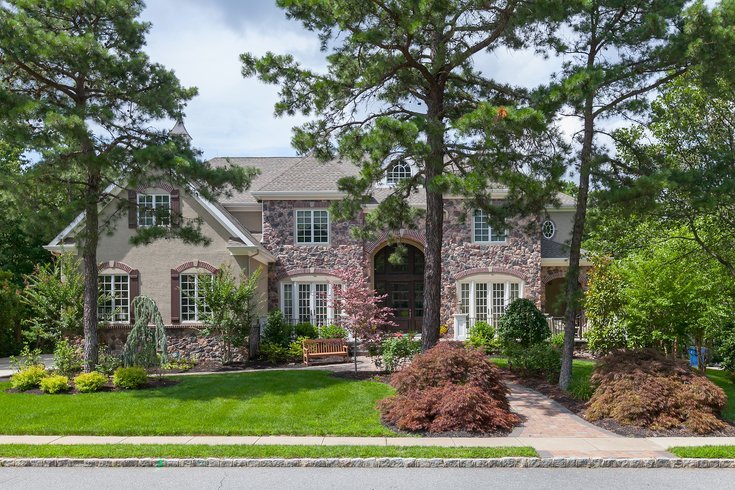
The New Jersey suburbs continue to attract buyers who want strong schools, established communities, and access to both Philadelphia and broader regional employment centers. In 2026, demand remains steady — but buying successfully in New Jersey requires understanding a set of rules, costs, and tradeoffs that are distinct from neighboring Pennsylvania markets.
This guide is designed for buyers who are already considering New Jersey and want a clear, practical overview of what matters most before making a purchase.
Table of Contents
Why Buyers Are Choosing the New Jersey Suburbs
Summary: Key Takeaways for NJ Buyers
Housing Stock and Town Character
Property Taxes and Long-Term Costs
Attorney Review and Transaction Structure
Schools and Community Considerations
Commuting and Lifestyle Reality
Common Buyer Mistakes in New Jersey
Final Thoughts for Buyers
Summary: Key Takeaways for NJ Buyers
In 2026, the New Jersey suburbs offer a compelling lifestyle — but buyers must evaluate more than just purchase price.
At a high level:
Property taxes play a major role in long-term affordability
Attorney review and compliance requirements are standard
Town character and school districts drive pricing more than home size
Buyers who plan holistically tend to be far more satisfied long-term
New Jersey can be an excellent place to buy — when expectations are aligned with reality.
Why Buyers Are Choosing the New Jersey Suburbs
Several factors continue to draw buyers to South and Central New Jersey suburbs:
Strong public school districts
Well-established neighborhoods with community identity
Access to Philadelphia and regional employment corridors
Larger lots and suburban layouts in many towns
For families and move-up buyers in particular, New Jersey offers a sense of permanence and structure that remains highly attractive.
Housing Stock and Town Character
New Jersey suburban housing stock varies significantly by town.
Buyers commonly encounter:
Older, well-built homes in established neighborhoods
Suburban developments with consistent layouts
Limited new construction in top school districts
Because inventory is often constrained, move-in-ready homes in desirable towns tend to command strong premiums.
Property Taxes and Long-Term Costs
Property taxes are one of the most important considerations for New Jersey buyers.
What buyers should understand:
Annual tax obligations are often materially higher than in neighboring states
Taxes can significantly impact monthly carrying costs
Long-term affordability should be evaluated beyond the mortgage payment
A lower purchase price does not always translate into lower total cost of ownership.
Attorney Review and Transaction Structure
Attorney involvement is customary in New Jersey real estate transactions.
Buyers should expect:
A formal attorney review period
Legal oversight of contracts and amendments
Associated legal fees as part of standard closing costs
This structure provides protections, but it also adds time and expense that buyers should budget for upfront.
Schools and Community Considerations
School districts remain one of the strongest drivers of pricing and demand.
Buyers often find that:
School district boundaries matter more than town names
Homes in top districts maintain stronger resale demand
Community culture and involvement vary meaningfully by town
Understanding these differences helps buyers choose locations that fit both lifestyle and long-term goals.
Commuting and Lifestyle Reality
Commute considerations are critical in New Jersey.
Buyers should realistically evaluate:
Daily travel times to Philadelphia or regional job centers
Access to major highways and transit options
How commuting fits with work flexibility and family routines
Lifestyle satisfaction often hinges on these practical factors more than initial impressions.
Common Buyer Mistakes in New Jersey
Buyers sometimes struggle by:
Underestimating the impact of property taxes
Focusing too heavily on list price
Ignoring town-specific compliance requirements
Comparing New Jersey purchases too directly to other states
Clear expectations lead to better outcomes.
Final Thoughts for Buyers
In 2026, the New Jersey suburbs remain an excellent option for buyers seeking strong schools, established communities, and long-term stability. Success comes from understanding the full financial and procedural landscape, not just the home itself.
Buyers who approach New Jersey with preparation and local insight tend to make confident decisions — and enjoy their homes long after closing.
By Eric Kelley, Philadelphia Suburbs Realtor & Attorney