

Is Buying a Townhome or Single-Family Home Smarter in the Philly Suburbs?
Summary
For many buyers in the Philadelphia suburbs, the decision isn’t whether to buy — it’s what kind of home to buy.
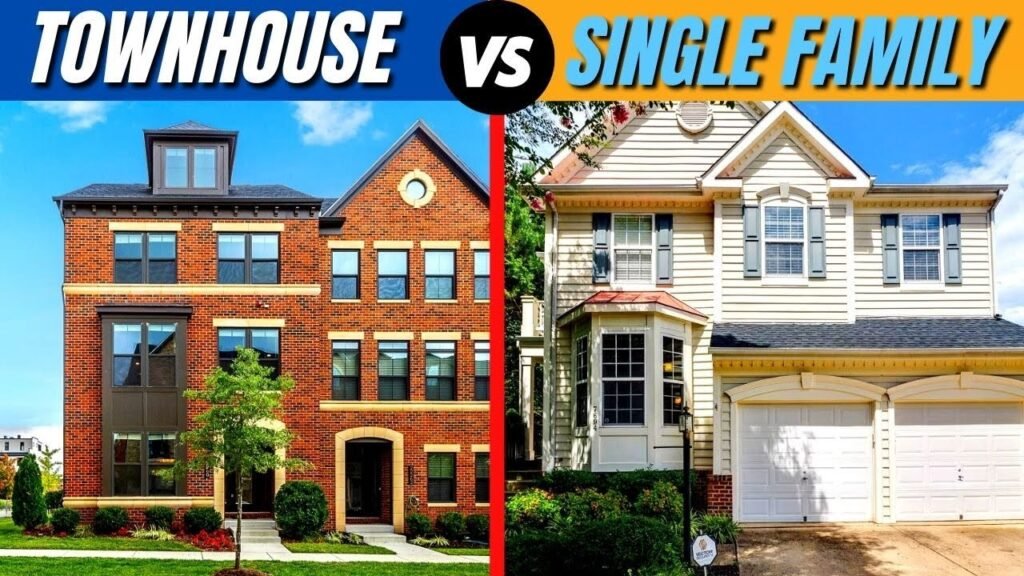
Townhomes have become increasingly popular across the Main Line, Chester County, Bucks County, and South Jersey suburbs. At the same time, single-family homes remain the default aspiration for many buyers, especially families planning to stay long term.
In 2026, with higher interest rates, tighter affordability, and evolving lifestyle priorities, this choice has real financial and quality-of-life consequences. This article breaks down the true trade-offs between townhomes and single-family homes so buyers can decide which option is smarter for their specific situation — not just based on assumptions.
Table of Contents
Why This Decision Matters More in 2026
The Cost Difference: Purchase Price and Monthly Payment
HOA Fees vs Hidden Single-Family Costs
Appreciation and Long-Term Value Trends
Maintenance, Time, and Lifestyle Considerations
Schools, Neighborhoods, and Buyer Demand
Resale Liquidity and Buyer Pool Size
Privacy, Space, and Daily Living Trade-Offs
Who Should Buy a Townhome
Who Should Buy a Single-Family Home
The Strategic Takeaway
1. Why This Decision Matters More in 2026
In prior years, low interest rates softened the consequences of housing decisions. Buyers could stretch into larger homes without dramatically changing monthly payments.
In 2026, that’s no longer the case.
Every $100,000 difference in purchase price now translates into a meaningful monthly payment difference. As a result, buyers are:
Reevaluating space needs
Trading size for location
Weighing convenience against long-term appreciation
Townhomes and single-family homes perform differently across these dimensions, especially in school-driven suburban markets like the Philly suburbs.
2. The Cost Difference: Purchase Price and Monthly Payment
In most Philadelphia suburban markets, townhomes are priced 10–30% lower than comparable single-family homes in the same school district.
This lower entry point:
Reduces monthly mortgage payments
Requires less upfront cash
Improves short-term affordability
For buyers who want to stay in premium school districts or walkable towns but can’t justify the cost of a detached home, townhomes often provide a viable path in.
However, lower price does not automatically mean better value — especially over time.
3. HOA Fees vs Hidden Single-Family Costs
One of the most misunderstood aspects of the townhome vs single-family decision is ongoing cost.
Townhome HOA Fees
HOAs typically cover:
Exterior maintenance
Roofs and siding
Landscaping and snow removal
Sometimes insurance and amenities
Monthly fees can range widely, but buyers should view them as predictable maintenance expenses.
Single-Family Hidden Costs
Single-family owners pay maintenance costs directly:
Roof replacement
Driveway repairs
Landscaping
Exterior upkeep
These costs are less predictable but often underestimated.
The key difference is not cost alone — it’s control versus predictability.
4. Appreciation and Long-Term Value Trends
Historically, single-family homes in the Philly suburbs:
Appreciate more consistently
Hold value better in downturns
Benefit from land scarcity
Townhomes, while appreciating, tend to:
Track the broader market more closely
Be more sensitive to new construction competition
Experience flatter long-term appreciation curves
That said, location can override structure type. A townhome in a prime Main Line or walkable suburban location may outperform a poorly located single-family home over time.
5. Maintenance, Time, and Lifestyle Considerations
Lifestyle is where townhomes shine for many buyers.
Townhomes appeal to:
Busy professionals
Young families with limited time
Downsizers
Buyers who value simplicity
Single-family homes appeal to:
Buyers who enjoy outdoor space
Families who want privacy
Those who want control over their property
The “smarter” option depends heavily on how much time and energy buyers want to spend on home upkeep.
6. Schools, Neighborhoods, and Buyer Demand
In the Philly suburbs, school districts drive demand more than home type.
Townhomes in top districts:
Attract first-time buyers and relocators
Often sell quickly when priced correctly
Single-family homes:
Attract a broader family buyer pool
Command stronger long-term demand
For buyers focused on resale, school district quality matters more than townhome vs single-family classification — but only up to a point.
7. Resale Liquidity and Buyer Pool Size
Single-family homes generally have:
Larger buyer pools
Fewer restrictions
More flexible resale options
Townhomes:
Can be subject to HOA rules
Appeal to a narrower audience
Compete directly with newer developments
Liquidity matters most if buyers expect to move again within 5–7 years.
8. Privacy, Space, and Daily Living Trade-Offs
Townhomes typically involve:
Shared walls
Less outdoor space
HOA governance
Single-family homes provide:
Greater privacy
Larger yards
More flexibility for additions or customization
Neither is inherently better — but buyers should be realistic about what they value day-to-day.
9. Who Should Buy a Townhome
Townhomes are often the smarter choice for buyers who:
Want to stay within a specific school district
Prioritize location over lot size
Prefer predictable costs
Don’t want major maintenance responsibilities
Expect to move again within a decade
In 2026, townhomes are also a strategic entry point for buyers priced out of detached homes in premium areas.
10. Who Should Buy a Single-Family Home
Single-family homes tend to be smarter for buyers who:
Plan to stay long-term
Value privacy and outdoor space
Want maximum appreciation potential
Prefer autonomy over HOA governance
For buyers with children planning to remain through school years, single-family homes often offer greater long-term stability.
11. The Strategic Takeaway
The smarter purchase is not about square footage or prestige — it’s about alignment.
Townhomes offer affordability, convenience, and access
Single-family homes offer privacy, flexibility, and appreciation strength
In the Philadelphia suburbs, buyers who choose the home type that matches their lifestyle horizon and financial plan consistently outperform buyers who buy based on assumptions.
Closing Thought
There is no universally “better” choice between a townhome and a single-family home. There is only the choice that best fits your timeline, priorities, and tolerance for maintenance and risk.
In a market where every dollar matters more than it used to, clarity beats convention every time.
by Eric Kelley, Philadelphia Suburbs Realtor & Attorney