

How Much Value Do Renovations Really Add in the Main Line?
Summary
One of the most common questions Main Line homeowners ask before selling is deceptively simple:
“If we renovate, will we get the money back?”
The honest answer is: sometimes — but often not in the way sellers expect.
In the Main Line market, renovations do not create value evenly. Some projects reliably increase a home’s sale price. Others mainly improve marketability. And some renovations — even expensive ones — add surprisingly little value at resale.
In 2026, with buyers more rate-sensitive and more selective than ever, understanding the difference between cost, value, and leverage is critical. This article breaks down which renovations actually add value in the Main Line, which ones don’t, and how sellers should think strategically before spending real money.
Table of Contents
Why Renovation ROI Is Different on the Main Line
Cost vs Value vs Marketability
Kitchens: The Highest-Impact Renovation (When Done Right)
Bathrooms: Necessary, but Not Always Profitable
Layout Changes vs Cosmetic Updates
Systems, Roofs, and “Unsexy” Upgrades
Basements, Additions, and Square Footage Myths
Renovations That Rarely Pay Off
When Renovating Before Selling Makes Sense
The Smart Main Line Renovation Framework
1. Why Renovation ROI Is Different on the Main Line
The Main Line is not a flip market. Buyers here are typically:
Long-term oriented
School-focused
Highly comparative
Willing to pay for confidence, not flash
That means renovations are valued less for novelty and more for reducing future friction.
A renovation that eliminates buyer hesitation often adds more value than one that simply looks impressive.
2. Cost vs Value vs Marketability
Before talking about specific projects, it’s important to distinguish three concepts sellers often conflate:
Cost: What you spend on the renovation
Value: How much more buyers will pay
Marketability: How much faster or easier the home sells
Many renovations improve marketability without returning full cost in price. That can still be a smart move — but only if expectations are clear.
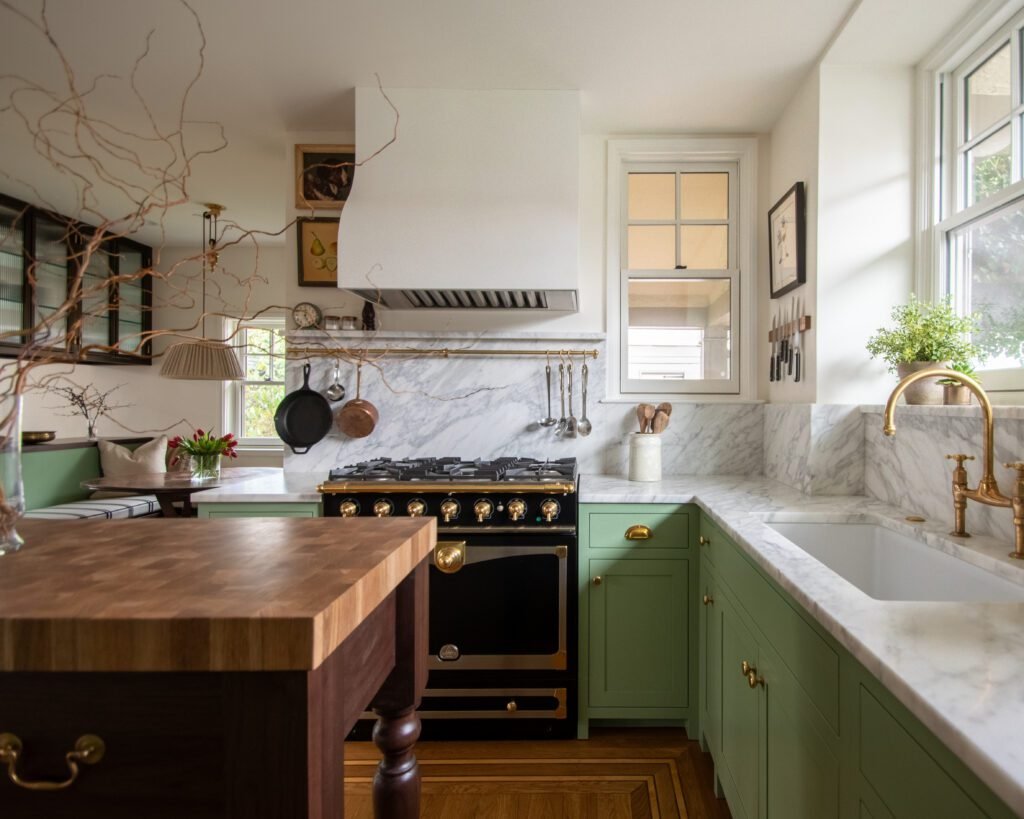
3. Kitchens: The Highest-Impact Renovation (When Done Right)
Kitchens matter more than any other single room on the Main Line — but only when they solve layout and usability problems.
Kitchens that add real value:
Improve flow to family or living space
Add functional storage and counter space
Replace clearly dated finishes
Use neutral, timeless materials
Kitchens that underperform:
Expensive materials without layout improvement
Highly personalized design choices
Overly trendy finishes
Luxury appliances in modest homes
A well-executed kitchen renovation often returns 60–80% of cost in sale price — and significantly improves buyer competition.
4. Bathrooms: Necessary, but Not Always Profitable
Bathrooms rarely drive premiums on their own, but they can absolutely suppress value if neglected.
Bathrooms that add value:
Remove obvious dated elements
Improve functionality
Match the quality of the rest of the home
Bathrooms that don’t:
Overbuilt spa features
High-end materials that exceed buyer expectations
Renovations that don’t align with price point
Bathrooms are more about eliminating objections than creating bidding wars.
5. Layout Changes vs Cosmetic Updates
One of the most misunderstood areas of renovation ROI is layout.
Buyers on the Main Line consistently pay more for:
Open, connected living spaces
Functional mudrooms
First-floor offices
Intuitive circulation
They care far less about:
New finishes in awkward spaces
Cosmetic updates that don’t change how the home lives
A modest structural change that improves flow can add more value than a six-figure cosmetic refresh.
6. Systems, Roofs, and “Unsexy” Upgrades
Buyers may not get excited about systems — but they price them in aggressively.
Upgrades that protect value:
New or newer HVAC
Updated electrical
New roof
Modern windows
These rarely generate a dollar-for-dollar premium, but they:
Increase buyer confidence
Reduce inspection friction
Prevent post-offer renegotiation
In 2026, with buyers more cautious, these upgrades matter more than ever.
7. Basements, Additions, and Square Footage Myths
Finished basements
Basements add value only when they:
Have adequate ceiling height
Feel bright and dry
Serve a clear purpose (playroom, gym, media room)
Low-ceiling or dark basements add far less value than sellers expect.
Additions
Additions are risky from an ROI perspective.
They can add value if they:
Integrate seamlessly
Improve layout
Are consistent with neighborhood norms
Poorly integrated additions often return less than 50% of cost.
Square footage alone does not guarantee value — usability does.
8. Renovations That Rarely Pay Off
In the Main Line market, these upgrades often disappoint sellers:
Highly customized design choices
Luxury features without functional benefit
Over-improving secondary spaces
Outdoor features that don’t match buyer priorities
Trend-heavy materials
Buyers pay for clarity and confidence, not for a seller’s taste.
9. When Renovating Before Selling Makes Sense
Renovating before selling can be smart when:
The home is clearly dated
The renovation removes major buyer objections
The budget is disciplined
The changes align with neighborhood expectations
It makes less sense when:
The renovation is highly personal
The market already supports strong pricing
Time pressure forces rushed decisions
In many cases, targeted updates outperform full renovations.
10. The Smart Main Line Renovation Framework
Before renovating, sellers should ask:
Does this improve how the home lives?
Does it reduce buyer hesitation?
Will buyers notice this immediately?
Does it align with the price point and neighborhood?
Is this solving their problem or mine?
If the answer is yes across the board, the renovation likely makes sense.
Closing Thought
In the Main Line, renovations are not about creating the “nicest” house — they’re about creating the clearest choice for buyers.
Sellers who renovate strategically don’t just sell faster. They protect value, avoid costly missteps, and often net more by spending less — but spending wisely.
by Eric Kelley, Philadelphia Suburbs Realtor & Attorney