

The Real Cost of Waiting:
What Rising Rates vs. Rising Prices Mean for Philly Suburb Buyers in 2026
Summary
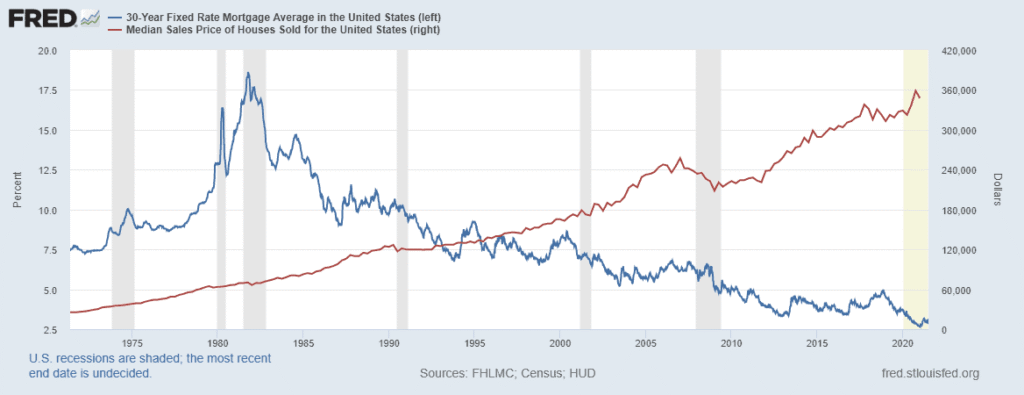
Across the Main Line, Chester County, and Bucks County, thousands of would-be buyers are sitting on the sidelines in 2026 waiting for mortgage rates to fall. On the surface, that seems rational. But real estate history — and current local data — tell a different story. When rates fall, competition rises, inventory tightens, and prices usually move higher, often offsetting any monthly payment savings. This article explains why “waiting for rates” has become one of the most expensive strategies in today’s Philadelphia-area housing market.
Table of Contents
Why So Many Philly-Area Buyers Are Still Waiting
What Actually Happens When Rates Decline
The Lock-In Effect and Its Grip on Local Inventory
What Waiting Has Already Cost Buyers (2023–2026)
How This Plays Out on the Main Line
Chester County’s Price vs. Rate Tradeoff
Bucks County and the Supply Crunch
The Real Math of Affordability
How Smart Buyers Are Playing 2026
When Waiting Actually Makes Sense
Bottom Line: Timing the Market vs. Living in It
1. Why So Many Philly-Area Buyers Are Still Waiting
Since mortgage rates surged in 2022, buyer psychology across the Philly suburbs has shifted dramatically. Even households with strong incomes, large down payments, and stable careers have been paralyzed by one thought:
“I’ll buy once rates come back down.”
This thinking is especially common among:
Main Line move-up buyers
New York and New Jersey relocators
First-time buyers in Chester and Bucks Counties
The assumption is that lower rates will mean:
Lower monthly payments
Less competition
Better negotiating power
Unfortunately, that’s not how real estate markets work.
2. What Actually Happens When Rates Decline
Every modern housing cycle tells the same story:
When mortgage rates drop:
Buyer demand jumps
Sellers enter slowly
Competition rises
Prices follow
This happened in:
2012–2013
2019
2020–2021
And it will happen again.
Lower rates do not create cheaper homes. They create more buyers.
3. The Lock-In Effect and Its Grip on Local Inventory
Here’s the problem buyers aren’t factoring in:
Most homeowners in the Philly suburbs are sitting on 2–4% mortgages.
If they sell today:
Their interest rate doubles
Their payment skyrockets
So they don’t sell — unless they have to.
This has created a permanent inventory shortage in:
Lower Merion
Radnor
West Chester
Yardley
Doylestown
That shortage is what keeps prices high — not speculation.
4. What Waiting Has Already Cost Buyers (2023–2026)
Let’s look at a real-world scenario.
A $700,000 home in 2022:
4% rate
~$3,340/month (principal & interest)
That same home in 2026:
Now worth ~$770,000
6.5% rate
~$4,420/month
That buyer is now paying:
$70,000 more in price
About $1,000 more per month
Waiting didn’t protect them — it hurt them.
5. How This Plays Out on the Main Line
The Main Line behaves differently than most markets.
Because:
Buyers are higher-income
Many transactions include large down payments or cash
Inventory is extremely limited
Even when rates rise:
Prices do not collapse
Demand softens slightly
But quality homes still sell
When rates fall, competition returns instantly.
6. Chester County’s Price vs. Rate Tradeoff
Chester County still offers relative value — but even here:
Inventory remains tight
New construction is limited
School districts drive demand
When rates drop, Chester County often becomes the release valve for buyers priced out of the Main Line — pushing prices higher.
7. Bucks County and the Supply Crunch
Bucks County is one of the most supply-constrained markets in the region:
Historic towns
Limited land
Strong New Jersey and New York buyer inflows
When rates drop, Bucks is one of the first markets where bidding wars reappear.
8. The Real Math of Affordability
Affordability is driven by four variables:
Price
Rate
Taxes
Income
You only control one of them: timing.
If rates fall:
Prices rise
Taxes rise
Competition increases
The monthly payment often stays the same — or gets worse.
9. How Smart Buyers Are Playing 2026
The smartest buyers are:
Buying homes that need cosmetic work
Negotiating price and closing costs
Refinancing later when rates fall
They lock in today’s price and tomorrow’s rate.
10. When Waiting Actually Makes Sense
Waiting can make sense if:
You’re relocating soon
You need time to repair credit
You’re saving a down payment
But if you qualify today, waiting is usually expensive.
11. Bottom Line
In the Philly suburbs, history is clear:
Waiting for rates to fall usually means paying more for the same home.
The market doesn’t reward hesitation — it rewards strategy.
If you want a personalized analysis for your budget and target area, that’s exactly what I provide for buyers across the Main Line, Chester County, and Bucks County.
By Eric Kelley, Realtor & Attorney – Serving the Philadelphia Suburbs